Offshore Red Snapper Charters in Mississippi
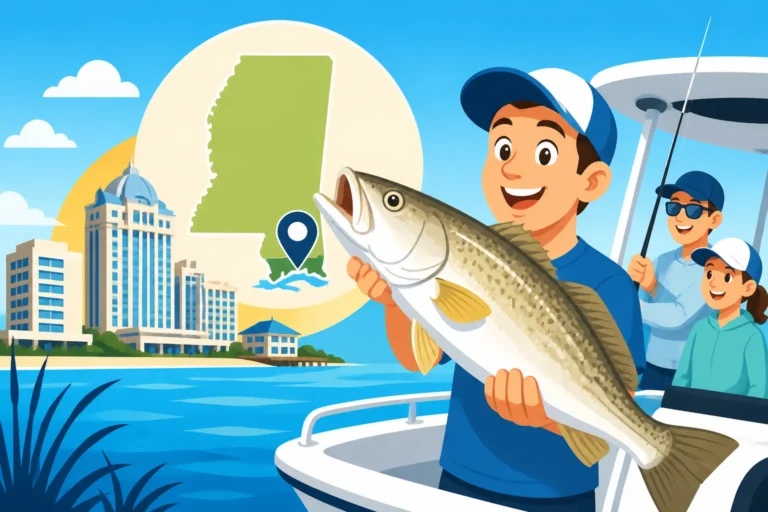
Ah, the mighty Red Snapper! There's nothing quite like the thrill of feeling that distinct tug on your line, knowing a beautiful, hard-fighting red snapper is on the other end. But let's be honest, trying to navigate the ever-changing rules, finding a reliable boat, and knowing what to expect on an offshore trip can feel like a labyrinth, especially when you're just trying to plan a memorable day on the Mississippi Gulf Coast. This guide is here to untangle all that, helping you understand the ins and outs of booking an offshore red snapper charter, so you can focus on the fun part: landing that prized catch.
Understanding Red Snapper Season and Regulations
Fishing for Red Snapper isn't like catching speckled trout or redfish in the bay, where seasons are often more stable. Red snapper are highly regulated, and their season can be notoriously short and unpredictable. It's a situation that causes a lot of head-scratching and frustration for anglers and charter captains alike, but it's all in the name of conservation, ensuring these incredible fish remain abundant for future generations.
The Elusive Red Snapper Season
The biggest hurdle for anyone dreaming of a red snapper trip is undoubtedly the season itself. Unlike some species with fixed opening and closing dates, the federal red snapper season in the Gulf of Mexico is determined annually, often quite close to the actual start date, based on scientific stock assessments and angler harvest data from the previous year. This means you can't always plan your trip a year in advance with certainty, which can be a real headache, especially if you're traveling a long distance or trying to coordinate with a group. It’s not uncommon for the season to last anywhere from a few days to several weeks, with different rules potentially applying to federal and state waters. You might hear news about the Red Snapper Season Opening Date in Mississippi just a few weeks before it actually begins.
When the season does open, it’s usually during the warmer months, often peaking in early summer. The limited window creates a mad dash for available charter spots, as everyone wants to capitalize on the opportunity. It's crucial to keep a keen eye on announcements from the Mississippi Department of Marine Resources (MDMR) and the Gulf of Mexico Fishery Management Council (GMFMC) to get the most up-to-date information. Missing those critical updates could mean missing your chance entirely, which is a common and disheartening experience for many hopeful anglers.
Mississippi's Specific Rules and Limits
Once the season is open, whether it's the federal or state season, there are specific regulations you need to adhere to. This includes daily bag limits, which dictate how many red snapper each angler can keep, and minimum size limits, ensuring that only mature fish are harvested. These rules are in place to help manage the fishery sustainably. For instance, there’s typically a specific Red Snapper Size in the Gulf that fish must meet or exceed to be legally kept.
It's not just about the number and size, though. Sometimes, there are restrictions on the type of gear you can use, like requiring certain circle hooks to minimize harm to fish that are released. While your charter captain will be intimately familiar with all these nuances, it's always a good idea to have a basic understanding yourself. Imagine the disappointment of catching a beautiful fish only to realize it's undersized and has to go back, or worse, facing a fine because you weren't aware of a particular regulation. These rules apply to everyone, from seasoned veterans to first-time anglers, so knowing them is key to a successful and legal trip.
Federal vs. State Waters: A Key Distinction
One of the most confusing aspects of red snapper fishing in Mississippi is the distinction between federal and state waters. Mississippi has its own designated state waters, which extend a certain distance offshore, usually around three nautical miles from the coastline. Beyond that, you enter federal waters, which fall under different management agencies and often have different season dates and regulations. This dual system can be incredibly perplexing for anglers.
For example, Mississippi might open its state red snapper season for a longer period than the federal season, allowing anglers to target red snapper in closer-to-shore waters even when federal waters are closed. However, the prime red snapper grounds, where the really big fish often reside, are typically further offshore in federal waters. This means if you want to access the best spots, you absolutely need to book a charter that's licensed and equipped to fish in federal waters, and your trip must align with the federal season opening. Understanding which waters your charter plans to fish in is paramount when booking, as it directly impacts your fishing opportunities and the likelihood of a successful red snapper harvest. Always clarify with your captain whether they primarily fish state or federal waters, and what the current regulations are for each.
Choosing the Right Offshore Charter for Red Snapper
Once you've wrapped your head around the regulations and the season, the next big step is finding the perfect offshore charter. This isn't a decision to take lightly. A great captain and boat can make all the difference between a frustrating day and an unforgettable adventure. There are many Deep Sea Fishing Charters in Mississippi available, but finding one specializing in red snapper takes a little research.
Vetting Charter Captains and Boats
When it comes to offshore red snapper fishing, experience and reputation are everything. You want a captain who knows the waters like the back of their hand, understands the habits of red snapper, and prioritizes safety above all else. Don't be afraid to ask questions. How long have they been chartering? What's their success rate with red snapper? What safety equipment do they carry? Reputable captains will be happy to answer these questions and put your mind at ease. Platforms like FishingBooker can be incredibly helpful here, as they often provide detailed captain profiles, boat specifications, and, most importantly, honest reviews from previous customers. These reviews offer invaluable insights into the captain's demeanor, the condition of the boat, and the overall fishing experience.
Beyond the captain, the boat itself is crucial. Is it well-maintained? Does it have enough space for your group to fish comfortably? Does it have the necessary electronics like sonar and GPS to locate productive fishing spots? Offshore trips, especially for red snapper, often involve traveling a considerable distance, so a reliable, seaworthy vessel is non-negotiable. Don't be shy about asking for photos of the boat or even scheduling a quick call with the captain to gauge their professionalism and expertise. After all, you're entrusting them with your safety and your fishing dreams.
Private vs. Shared Charters: Which is Right for You?
Deciding between a private or shared charter is a key consideration, and each comes with its own set of pros and cons. A private charter means you book the entire boat for your group, whether that's two people or six. This offers incredible flexibility; you dictate the schedule (within reason), the target species, and the pace of the trip. If you're passionate about red snapper and want to maximize your time targeting them, a private charter is often the best choice, as the captain can focus solely on your group's goals. It's a fantastic option for families or groups of friends who want an exclusive experience without the distractions of other anglers.
On the other hand, shared or "head boat" charters are often more budget-friendly. You pay a per-person rate and join other anglers on a larger vessel. While you might not have the same level of personalized attention or flexibility in choosing your fishing grounds, these trips can still be very productive, especially on busy red snapper days. They're an excellent option for solo anglers or small groups who want to experience offshore fishing without the higher cost of a private boat. Just be prepared for a more communal experience, potentially with varying skill levels among your fellow passengers. Think about your group size, budget, and desired level of personalization before making your choice.
Understanding Charter Packages and Pricing
Charter pricing can vary significantly based on the duration of the trip, the size of the boat, the number of anglers, and whether it's a private or shared excursion. Red snapper trips typically fall into the "full-day" or "long-range" categories because they often require significant travel time to reach the deeper, federal waters where these fish thrive. You'll find a range of options, from 6-hour trips that might focus on state waters to 10-hour or even longer excursions for serious offshore action. Understanding the Deep Sea Fishing Trip Cost in Mississippi is important for budgeting.
Most charter packages include essentials like rods, reels, bait, tackle, and sometimes even ice and water. However, it's crucial to clarify what's included before you book to avoid any surprises. Are fishing licenses included, or do you need to purchase your own? (Often, a charter boat will cover the vessel's license, but individual angler licenses are still required, though some larger charters might have blanket licenses that cover all passengers; always double-check this). Some charters might offer additional services like fish cleaning and filleting, while others might charge an extra fee. Don't hesitate to ask for a detailed breakdown of costs. Using a platform like FishingBooker allows you to compare different packages side-by-side, seeing what various captains offer for different price points, which helps you make an informed decision without hidden fees.
What to Expect on a Mississippi Red Snapper Charter Trip
So, you've booked your charter, the season is open, and you're ready for action! Knowing what to expect on the day of your trip can help manage expectations and ensure you have a fantastic time, even if the fish aren't biting every second.
The Journey Offshore
Offshore red snapper charters typically start early in the morning, sometimes even before sunrise. This is because getting to the prime fishing grounds can take a couple of hours or more, depending on how far out into federal waters you need to go. You'll usually meet your captain and crew at a designated marina along the Mississippi Gulf Coast, perhaps in Biloxi, Gulfport, or Ocean Springs. After a quick safety briefing and getting settled on the boat, you'll embark on the journey out.
The ride out itself can be an adventure! You'll pass historic landmarks, potentially see dolphins playing in the wake, and feel the excitement build as the coastline slowly fades from view. Depending on the sea conditions, the ride can be calm and smooth, or it can be a bit bumpy, especially if there's a chop on the water. If you're prone to seasickness, this is the time to have taken preventive measures. The captain will typically use advanced navigation and sonar systems to locate productive fishing spots, often looking for underwater structures, wrecks, or reefs where red snapper tend to congregate. This isn't just a joyride; it's a strategic hunt for the perfect fishing location.
Onboard Experience: Fishing and Comfort
Once you reach the fishing grounds, the real fun begins! Your crew will typically provide you with pre-rigged rods and demonstrate how to drop your bait to the bottom, where red snapper reside. They'll assist with baiting hooks, untangling lines, and helping you reel in your catch. Red snapper are known for their strong, powerful bites and their determined fight, making for an exciting challenge. You'll likely be fishing with heavy-duty conventional gear, designed to handle these powerful deep-water fish.
Comfort on board is also key. Most offshore boats are equipped with a shaded area, a head (marine toilet), and plenty of cooler space for drinks and snacks you bring, as well as for your catch. Some larger boats might even have an air-conditioned cabin. The crew works hard to ensure everyone has a good time, providing encouragement and guidance. Remember, even on the best days, fishing can sometimes be slow. Patience is a virtue! Enjoy the camaraderie, the fresh sea air, and the sheer beauty of being far offshore. There’s a certain peacefulness that comes with being out on the vast expanse of the Gulf, even when the lines aren't screaming.
After the Catch: Cleaning and Filleting
When the fishing is done, or you've reached your bag limit, it's time for the journey back to the marina. This is often a time for sharing stories, recounting the biggest catches, and enjoying the sunset over the water. Once back at the dock, the crew will typically handle the fish you caught. Most charters include fish cleaning and filleting services, transforming your whole fish into neat, ready-to-cook fillets. This is a huge convenience and part of the value of booking a charter.
It's a wonderful sight to see your fresh catch being expertly prepared, ready for the cooler you brought. Clarify whether this service is included or if there's an additional charge when booking your trip. Knowing that you can bring home pristine fillets to cook up a delicious meal adds to the overall satisfaction of the experience. It’s important to bring a large cooler filled with ice for your fillets to ensure they stay fresh on the ride home. Can You Keep the Fish You Catch on a Charter? Absolutely! And most times, Does the Charter Clean and Fillet Your Fish? Yes, they do!
Essential Gear and Preparation for Your Red Snapper Adventure
Preparing properly for an offshore red snapper trip can significantly enhance your comfort and enjoyment. It's not just about what the boat provides; it's about what you bring to make your day on the water as smooth as possible.
What the Charter Provides vs. What You Should Bring
One of the great advantages of booking a fishing charter is that the captain typically supplies all the essential fishing gear. This includes high-quality rods, reels, line, hooks, sinkers, and bait specifically chosen for targeting red snapper in deep water. This saves you the hassle and expense of buying specialized equipment. They'll also have safety equipment like life jackets, first-aid kits, and communication devices on board.
However, there's a lot you'll still want to bring for your personal comfort and convenience. Think about sun protection: a wide-brimmed hat, polarized sunglasses, and plenty of reef-safe sunscreen are non-negotiable. Long-sleeved, breathable shirts and pants can also offer excellent sun protection. Don't forget snacks and drinks beyond what the charter might offer – a long day on the water can build up an appetite! A small, soft-sided cooler for your personal items is a good idea. For a comprehensive list, check out What to Bring on a Mississippi Fishing Charter.
Here's a quick reference table for what you might expect:
| Item | Typically Provided by Charter | Recommended to Bring Yourself |
|---|---|---|
| Rods & Reels | Yes | No (unless specialty gear) |
| Bait & Tackle | Yes | No |
| Life Jackets | Yes | No |
| Fish Cleaning | Often Included | No |
| Ice & Water (limited) | Sometimes | Yes, for personal use & catch |
| Sunscreen | No | Yes, plenty |
| Hat & Sunglasses | No | Yes |
| Snacks & Drinks | No (beyond basic water) | Yes |
| Cooler for Catch | No | Yes, with ice |
| Seasickness Medication | No | Yes, take beforehand |
| Camera | No | Yes, waterproof if possible |
| Rain Gear | No | Yes, if forecast warrants |
Personal Comfort Items: Sun, Sea, and Safety
The Mississippi Gulf Coast sun can be intense, even on cloudy days. UV rays reflect off the water, increasing your exposure. Beyond sunscreen, wearing layers is smart. A lightweight rain jacket, even if rain isn't in the forecast, can be invaluable for blocking wind on the ride out or for an unexpected shower. Comfortable, non-slip shoes are a must for safety on a wet boat deck. Flip-flops are generally not recommended due to safety concerns.
For those prone to motion sickness, taking medication like Dramamine or Bonine before you even board the boat is critical. Don't wait until you feel queasy; by then, it's often too late. Staying hydrated and avoiding heavy, greasy foods the night before can also help. Finally, bring a waterproof bag or case for your phone, wallet, and any other electronics you bring along. The sea has a way of finding its way into everything!
Mental and Physical Readiness
While red snapper fishing is immensely fun, it can also be physically demanding. You'll be standing for long periods, reeling in heavy fish from deep water, and potentially dealing with the rocking motion of the boat. Getting a good night's rest before your trip is advisable. If you have any physical limitations or health concerns, it's wise to discuss them with your captain beforehand. They can often make accommodations or offer advice to ensure your safety and enjoyment.
Mentally, be prepared for anything. The weather can change, the fish might be finicky, or you might hit a slow spell. A positive attitude and an appreciation for the experience itself—the ocean, the company, the thrill of the chase—will make the day memorable, regardless of the size of your cooler. Remember, even on a day when the bite is slow, you’re still out on the beautiful Gulf, making memories.
Maximizing Your Catch: Techniques and Tips for Red Snapper
While your captain and crew are the experts, having a basic understanding of how red snapper are targeted can make you a more engaged and effective angler on your trip. The goal is to maximize your chances of bringing home some delicious fillets!
Proven Red Snapper Baits and Rigs
Red snapper are primarily bottom feeders, so the key is getting your bait down to them effectively. The most common and effective technique involves using a "knocker rig" or a variation of a Carolina rig, which allows the weight to slide above the hook. This setup ensures that the bait reaches the bottom quickly and presents naturally. For bait, fresh or frozen cut bait is usually king. Pieces of squid, mackerel, bonito, or even chunks of smaller reef fish are excellent choices. Live baits like pinfish or pogies can also be incredibly effective, often enticing bigger, more aggressive fish.
Your captain will have a specific rigging strategy they prefer, honed over years of experience on their local waters. Listen closely to their instructions on how to drop your line, how to feel for a bite, and how to set the hook. They'll also advise you on how much weight to use, which is critical in deep water with strong currents to ensure your bait stays where the fish are. Don't be afraid to ask questions if you're unsure; a good captain wants you to succeed!
Reading the Depths: Locating Productive Spots
A skilled red snapper captain doesn't just guess where the fish are. They use high-tech fish finders and sonar equipment to "read" the bottom structure. Red snapper love to congregate around natural reefs, artificial wrecks, oil rigs, and any kind of underwater structure that offers shelter and food. These features provide ambush points for snapper and attract baitfish, creating a vibrant ecosystem. The captain will analyze the sonar readings, looking for "marks" that indicate schools of fish or favorable bottom contours.
They'll also consider factors like current, water temperature, and time of day. Sometimes, drifting over a structure is more effective, while other times, anchoring directly over a known hotspot is the way to go. You might notice the captain making small adjustments to the boat's position or instructing you to cast in a particular direction. These are all part of their strategy to put your bait in front of the most fish possible. Being attentive to their cues can help you understand the dynamics of offshore fishing and improve your own technique.
Handling Your Catch Like a Pro
Once you've hooked a red snapper, the fight is on! These fish pull hard, often making powerful dives back towards the structure. It’s crucial to reel steadily and keep constant pressure on the fish to prevent it from getting into cover and breaking your line. When the fish is brought to the surface, the crew will typically gaff it and bring it aboard quickly and safely. They'll then immediately place it on ice in a dedicated fish box to maintain its freshness.
If you catch an undersized fish or one outside the legal bag limit, it needs to be released as quickly and safely as possible. Your crew will demonstrate how to handle it gently to minimize stress. Many charters also carry "descending devices," which allow you to quickly return a fish to its original depth, increasing its chances of survival, especially after being reeled up from deep water. Respecting the regulations and handling fish responsibly ensures the sustainability of this fantastic fishery for everyone. This applies to all regulated species, so familiarize yourself with Mississippi Fishing Creel and Size Limits as well.
Booking and Beyond: Making Your Charter Trip Smooth
From the moment you decide to chase red snapper to the moment you're filleting your catch, a little planning goes a long way. This final section covers the practicalities of booking and enjoying your trip without a hitch.
When and How to Book Your Trip
Given the often-short and unpredictable red snapper season, booking your charter as far in advance as possible is absolutely critical. Once the season dates are announced, reputable charters can fill up their calendars within days, sometimes even hours. Waiting until the last minute is a recipe for disappointment. Many anglers even try to pre-book tentative dates with captains, understanding that the trip might need to be adjusted once the official season is set. Platforms like FishingBooker are excellent for this, as they allow you to view captains' availability well in advance and make reservations.
When you book, make sure to communicate clearly what you're hoping to achieve. Are you solely focused on red snapper, or are you open to other species if the snapper bite is slow? How many people are in your group? Any special needs or requests? Clear communication upfront helps the captain plan the best possible trip for you and avoids misunderstandings later on.
Understanding Cancellation Policies and Weather
Offshore fishing is inherently dependent on the weather. Captains prioritize safety above all else, and if the sea conditions are deemed unsafe or too rough for an enjoyable trip, they will cancel or reschedule. This can be frustrating, especially if you've traveled a long way, but it's for your own good. Most charters have clear cancellation policies regarding weather, typically offering a full refund or the option to rebook for another date. Always ask about this policy when booking.
Beyond weather, understand the charter's cancellation policy for other reasons, like if someone in your group gets sick. Some charters require several days' notice to cancel without penalty. It’s a good idea to discuss these possibilities and understand the terms so you’re not caught off guard. Knowing the rules makes the entire experience less stressful. Check with your booking platform, like FishingBooker, for details on how different charters handle these situations.
Tipping Etiquette and Post-Trip Considerations
Just like in other service industries, tipping your captain and crew is customary and greatly appreciated. These professionals work incredibly hard to ensure you have a safe, enjoyable, and successful trip. A typical gratuity for a good experience is around 15-20% of the total charter cost. If they went above and beyond, or if you had an exceptional day of fishing, a higher tip is always a welcome gesture. This should be given directly to the captain or crew member at the end of the trip, preferably in cash. Understanding Tipping Etiquette for Mississippi Fishing Guides helps ensure you're prepared.
After your trip, remember to properly care for your catch. Get those fillets on ice immediately and store them in the coldest part of your cooler. Plan to cook or freeze them as soon as possible to preserve their quality. A fresh red snapper dinner is the perfect way to cap off an incredible day on the Mississippi Gulf Coast! And if you had a fantastic experience, consider leaving a positive review online. It helps other anglers find great charters and rewards the hard-working crew.
Disclaimer
This article is for general informational purposes only and does not constitute professional advice. Laws, prices and regulations vary by location and change over time. Consult a qualified professional for guidance on your specific situation.