Mississippi Saltwater Fishing License Guide
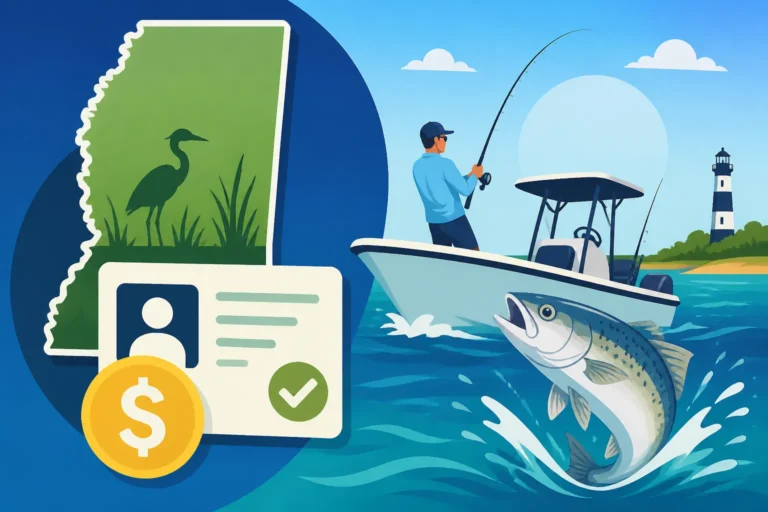
The shimmering waters of Mississippi’s Gulf Coast, with their promise of speckled trout, redfish, and flounder, call to anglers from near and far. But before you cast your line into those inviting waves, there's a crucial piece of the puzzle many people find confusing: the Mississippi saltwater fishing license. It's easy to get tangled up in the details of who needs one, where to get it, and how much it costs, but this comprehensive guide is here to untangle all that, ensuring you're fully prepared and legal for your next coastal adventure.
Why a Saltwater License is Non-Negotiable
For many anglers, especially those used to fishing inland ponds or private waters, the idea of needing a specific license just for saltwater can feel like an extra hurdle. You might think, "I'm just fishing from the pier, why do I need a license?" or "I'm only visiting for a few days, is it really necessary?" The short answer is yes, it absolutely is. Ignoring this requirement can turn a relaxing day of fishing into a costly and frustrating experience.
The Legal Mandate for Anglers
In Mississippi, as with most coastal states, a valid saltwater fishing license isn't just a suggestion; it's a legal requirement for most individuals aged 16 to 64 who want to harvest marine fish, crabs, shrimp, or other saltwater aquatic life. This isn't some arbitrary rule designed to nickel-and-dime you. Instead, it's a fundamental part of managing and protecting the precious marine resources that make Mississippi's Gulf Coast such a fantastic fishing destination. Without proper regulation and funding, overfishing and habitat destruction would quickly diminish the very fisheries we all enjoy. For a broader understanding of all fishing requirements, check out our comprehensive Mississippi Fishing License Guide.
Mississippi's laws are quite clear on this. Anyone engaging in recreational saltwater fishing activities within the state's marine waters, including coastal rivers, bays, and the Gulf itself, must possess the appropriate license. This applies whether you’re casting from a pristine beach, dropping a line from a public pier, or venturing offshore in a boat. The only exceptions are specific age groups or certain special conditions, which we'll dive into shortly. Even if you're just dipping a crab trap, the same rules generally apply, emphasizing the broad scope of this requirement.
Funding Conservation and Coastal Management
Every dollar spent on a Mississippi saltwater fishing license goes directly back into the health of our coastal ecosystem. The Mississippi Department of Marine Resources (MDMR) and the Mississippi Department of Wildlife, Fisheries, and Parks (MDWFP) rely heavily on these funds to support vital conservation initiatives. This includes everything from scientific research on fish populations and habitat restoration projects to law enforcement efforts that prevent poaching and ensure fair access for everyone.
Think about it: those license fees help fund programs that stock fish, monitor water quality, and maintain public access points like boat ramps and fishing piers. They also support educational programs that teach anglers responsible fishing practices. So, when you purchase your license, you're not just buying a piece of paper; you're actively investing in the future of Mississippi's incredible saltwater fisheries. This collective contribution ensures that future generations can enjoy the same abundant opportunities we have today.
Defining "Saltwater" for Licensing Purposes
Understanding where freshwater ends and saltwater begins can be a real head-scratcher, especially in a state with so many coastal rivers and bayous feeding into the Gulf. For licensing purposes, Mississippi defines its saltwater boundaries generally as the state's territorial waters in the Gulf of Mexico, including the Mississippi Sound, coastal bays, estuaries, and tidal portions of rivers and bayous. This distinction is crucial because the licensing requirements for these areas differ significantly from those for inland freshwater lakes and rivers.
A good rule of thumb is that if you're fishing waters connected to the Gulf that experience tidal influence, or where you're catching primarily marine species like redfish, speckled trout, or flounder, you're in saltwater territory and need a saltwater license. There are specific demarcation lines on maps that indicate these boundaries, often at bridges or dams on coastal rivers. If you're ever in doubt, it's always best to err on the side of caution and obtain the saltwater license. Ignorance of the boundary lines isn't an excuse, and game wardens patrol these areas diligently. Our guide on Mississippi Fishing Regulations Explained can offer further clarity on boundary specifics.
Decoding Mississippi's Saltwater License Options
Once you've accepted the necessity of a saltwater license, the next step is figuring out which one is right for you. Mississippi offers several different options, designed to accommodate various needs, whether you're a lifelong resident, a casual visitor, or planning a short trip. It’s not a one-size-fits-all situation, and choosing wisely can save you both money and hassle.
Resident Saltwater Fishing License Options
For Mississippians, there are a few primary options for saltwater fishing. The most common is the Resident Annual Saltwater Fishing License. This license is valid for one year from the date of purchase and covers all general saltwater recreational fishing activities. It's perfect for those who live in the state and plan to hit the coast multiple times throughout the year. Many residents find this to be the most cost-effective and convenient choice, as it eliminates the need to repurchase a license for each trip.
Additionally, Mississippi residents can often combine their saltwater fishing privileges with freshwater fishing and even hunting through various combination licenses. The Mississippi Sportsman's License Explained is a popular choice, bundling hunting, freshwater fishing, and saltwater fishing into one convenient package. This can be a fantastic deal if you enjoy multiple outdoor pursuits. These comprehensive licenses simplify the process, meaning you carry one less piece of paper and usually save money compared to buying individual licenses separately. Always check the specific benefits and limitations of any combined license to ensure it meets all your recreational needs.
Non-Resident Saltwater Fishing License Options
Visiting anglers eager to experience Mississippi's Gulf Coast fisheries also have tailored license options. For those planning an extended stay or multiple trips throughout the year, the Non-Resident Annual Saltwater Fishing License is the most straightforward choice. Similar to the resident version, it's valid for a full year and covers general saltwater recreational fishing. This option makes sense if you frequent the Mississippi coast, perhaps owning a second home or having family in the area that you visit regularly for fishing.
However, many non-residents are just passing through or planning a single, shorter fishing vacation. For these situations, Mississippi offers flexible, short-term options. The Non-Resident 3-Day Saltwater Fishing License is incredibly popular, providing three consecutive days of fishing coverage. This is ideal for a long weekend trip or a brief stop on a longer journey. If your trip is even shorter, perhaps just a single day on a pier, there's even a Non-Resident 1-Day Saltwater Fishing License available. These short-term licenses are designed to make it easy for visitors to comply with regulations without committing to an annual license they won't fully utilize. For more details on these options, our guide on Mississippi Nonresident Fishing License Guide is an excellent resource.
Short-Term and Specialty Licenses
Beyond the standard annual and multi-day options, there are other considerations for specific situations. For example, some anglers might qualify for a lifetime license, which, while a larger upfront investment, eliminates the need for annual renewals forever. This is often an excellent long-term value, especially for younger residents who plan to fish for many decades to come. Details on options like the Mississippi Lifetime Fishing License are worth exploring for those who are committed to fishing in the state for the long haul.
Another important category involves specialty situations. If you're fishing from a properly licensed charter boat, the captain's license might cover the crew and passengers for certain species, but this isn't always the case, and it's absolutely crucial to confirm this with your charter captain before your trip. Never assume you're covered. Sometimes, individual licenses are still required, especially for certain species or if you plan to fish on your own before or after the charter. Additionally, commercial fishing licenses are a completely separate category with much more stringent requirements, geared towards those who harvest seafood for sale rather than recreation.
Key Exemptions: Who Doesn't Need a License?
While most anglers will need a Mississippi saltwater fishing license, there are certain situations and demographics that are exempt. Understanding these exemptions can save you time and money, but it's vital to know the precise conditions to avoid an accidental violation. Misinterpreting an exemption is a common pitfall.
Age-Based Exemptions for Youth and Seniors
Mississippi, like many states, recognizes that very young and older anglers may not need to purchase a full license. Specifically, individuals under the age of 16 are generally exempt from needing a saltwater fishing license. This is wonderful news for families, encouraging kids to get out and enjoy fishing without an extra financial barrier. It means you can take your children or grandchildren out on the water, and as long as they are under 16, they can fish without a license. This applies to both residents and non-residents, making it easy for families to introduce the next generation to the joys of fishing.
On the other end of the spectrum, Mississippi also offers exemptions for its senior residents. Resident anglers aged 65 and older are typically exempt from needing a saltwater fishing license. While the license itself might be "free," seniors usually still need to apply for a Senior Exempt License or provide proof of age and residency if checked by a game warden. This ensures that even though they don't pay a fee, their participation is still tracked for management purposes. This exemption is a fantastic way to honor long-time residents and encourage continued engagement in outdoor activities. For more details, explore our guide on Mississippi Senior Fishing License Discounts.
Military, Disabled, and Special Condition Exemptions
Mississippi also extends courtesy and assistance to other deserving groups through specific exemptions. Resident disabled veterans, for instance, may be eligible for a free or reduced-cost license, acknowledging their service and sacrifice. The criteria for these exemptions are specific and usually require proof of residency, veteran status, and disability rating from the U.S. Department of Veterans Affairs. It's important to contact the MDWFP or MDMR directly to understand the exact requirements and application process for these special licenses.
Furthermore, active-duty military personnel stationed in Mississippi, even if they are not technically residents, may be eligible for resident rates or specific military exemptions for certain licenses. This is a great benefit for service members and their families. Always be prepared to show appropriate military identification and proof of stationing if you're attempting to claim this exemption. Other very limited exemptions might exist for those fishing on certain federal lands or during designated "free fishing days," which are special events designed to allow anyone to fish without a license for a short period. Our article on Mississippi Fishing License Exemptions provides a comprehensive list of all applicable exemptions.
Fishing on Charter Boats and Private Piers
This is where things can get a little tricky, and it's a common source of confusion. If you're fishing aboard a Mississippi Gulf Coast Fishing Charters vessel, particularly one that is federally permitted for offshore fishing (e.g., Red Snapper trips), the boat itself often holds a blanket license that covers all passengers for certain species. This means individual anglers may not need their own personal saltwater license for that specific trip. However, this is not a universal rule. For inshore charters, or for species not covered by a federal permit, individual licenses might still be required.
The golden rule here is to always confirm with your charter captain before you book or embark on your trip. They are the experts on the specific regulations governing their vessel and target species. Never assume you are covered. Similarly, if you are fishing from a private pier or dock on private property, you generally still need a saltwater fishing license if you are harvesting fish from public waters. The "private property" exemption typically applies only to contained private ponds or lakes that are entirely landlocked and not connected to public waterways. The moment your line enters navigable, public, tidal waters, the state's licensing requirements apply. Our guide Does a Fishing Charter Include the License in Mississippi? delves deeper into this topic.
Your Guide to Purchasing a Saltwater License
Ready to get your license? Excellent! The good news is that Mississippi has made the process relatively straightforward, offering several convenient ways to purchase your saltwater fishing license. Gone are the days when you had to drive for miles to find a specific vendor; now, you have options to suit your preference.
Online Purchase Process
For most people, especially those who are tech-savvy or prefer the convenience of home, purchasing a Mississippi saltwater fishing license online is the easiest and quickest method. The official portal is usually found on the Mississippi Department of Wildlife, Fisheries, and Parks (MDWFP) website or through a direct link on the Mississippi Department of Marine Resources (MDMR) site. You'll typically need to create an account, provide some personal identification details (like your driver's license number), specify your residency, and then select the type of saltwater license you need.
The system will guide you through the process step-by-step. Payment is usually made via credit or debit card, and once the transaction is complete, you'll receive a printable copy of your license. Many states now allow you to carry a digital version on your smartphone, but it's always wise to confirm this is acceptable in Mississippi or to simply print a backup copy and keep it with your gear. This method is available 24/7, meaning you can purchase your license even if you decide on a last-minute fishing trip at midnight. Our article on How to Buy a Mississippi Fishing License Online offers a detailed walkthrough.
In-Person Retailers
If you prefer a more traditional approach or need to ask questions in person, numerous authorized license retailers across Mississippi sell saltwater fishing licenses. These often include sporting goods stores, bait and tackle shops, Walmart, and even some convenience stores located near popular fishing spots. This is a great option if you're already headed to the bait shop to pick up some live shrimp or a new fishing lure.
When purchasing in person, you'll need to bring a valid form of identification, such as a driver's license or state ID, to verify your residency and age. The staff at these locations are usually very familiar with the different license types and can help you select the correct one. They'll process your payment, and you'll walk out with a physical license in hand. This method is particularly useful if you're traveling and need to pick up a license on your way to the coast, or if you prefer a tangible license card over a digital one. Places like Bass Pro Shops in Pearl, MS, are reliable spots for this.
Phone and Mail Options
While less common these days due to the prevalence of online purchasing, you might still have options to buy your license over the phone or by mail, especially for certain specialty licenses or if you encounter issues with the online system. Purchasing by phone typically involves calling the MDWFP or MDMR customer service line during business hours. A representative will walk you through the information needed and process your payment over the phone. They can then mail you a physical copy of your license, though this will take several business days to arrive.
Mail-in applications are generally reserved for specific situations, such as certain disability or veteran exemptions, or for those who truly have no other means of purchasing electronically or in person. This method requires filling out a paper application, often found on the MDWFP/MDMR websites, and mailing it in with a check or money order. Be aware that this is the slowest method, and you'll need to plan well in advance of your fishing trip to ensure your license arrives on time. Always check the official state websites for the most current information on phone and mail-in options, as these can change.
Breaking Down the Costs: Resident vs. Non-Resident
Understanding the cost of a Mississippi saltwater fishing license is essential for budgeting your trip. The prices can vary significantly depending on your residency status and the duration of the license you choose. It's not just about the sticker price; it's about finding the most cost-effective solution for your specific fishing habits.
Resident Saltwater License Fees
For Mississippi residents, the cost of a standalone annual saltwater fishing license is quite affordable, usually around $10 to $15. This modest fee provides a full year of access to the state's incredible coastal fisheries. It's a small price to pay for the endless opportunities to catch redfish, speckled trout, and more. This fee often remains stable for several years, but it's always wise to verify the current price on the MDWFP website.
As mentioned earlier, residents often have the option to combine their saltwater fishing privileges with other outdoor activities through combination licenses. For example, a "Small Game Hunting/Fishing" license might include both freshwater and saltwater fishing, or the comprehensive "Sportsman's License" will cover everything. While these bundles have a higher overall cost, they generally offer significant savings compared to purchasing each license individually. A Mississippi Sportsman's License might run around $30-$50, making it an attractive package for the avid outdoorsperson. Understanding the Mississippi Fishing License Costs in general can help you make an informed decision for all your angling needs.
Non-Resident Saltwater License Fees
Non-residents will find that their saltwater fishing licenses are understandably more expensive than resident licenses, reflecting the fact that they haven't contributed to the state's tax base that supports these resources. An annual non-resident saltwater fishing license typically ranges from $30 to $40. While higher than the resident fee, it still offers year-round access for those who visit frequently.
The short-term options are particularly popular for non-residents. A 3-day non-resident saltwater fishing license usually costs around $15-$20, making it a very economical choice for a weekend getaway. For those only planning a single day of fishing, a 1-day non-resident saltwater fishing license is available for about $10-$12. These flexible options ensure that visitors can enjoy Mississippi's coastal waters without overspending on a license they won't fully use. When planning your trip, consider how many days you'll truly be fishing to pick the most economical option. Our guide on Mississippi 1-Day and 3-Day Fishing Licenses can offer specific pricing details for these short-term options.
Combined and Sportsman's License Costs
The most comprehensive and often most cost-effective option for residents who engage in multiple outdoor activities is the Mississippi Sportsman's License. This all-inclusive license generally costs around $30-$50 for residents and covers freshwater fishing, saltwater fishing, and a variety of hunting privileges. It's designed for the serious outdoor enthusiast who participates in everything from deer hunting in the fall to crappie fishing in the spring and redfish angling in the summer.
For non-residents, combination licenses are less common or significantly more expensive, as the state primarily offers a la carte options for them to choose specific activities. However, it's always worth checking the MDWFP website for the most current offerings. The value of a combined license for residents is undeniable if you frequently participate in all the covered activities. It simplifies the licensing process, often reduces the overall cost, and ensures you're legally covered wherever your outdoor adventures take you within the state.
Navigating Freshwater vs. Saltwater Boundaries
One of the most perplexing aspects of fishing in Mississippi, particularly near the coast, is figuring out whether you need a freshwater license, a saltwater license, or both. The lines can blur in estuaries and tidal rivers, leading to genuine confusion for even experienced anglers. Understanding these distinctions is critical to staying compliant.
Navigating Brackish Waters and Tidal Zones
Mississippi's unique geography means that many of its rivers and bayous flow into the Mississippi Sound, creating expansive brackish water zones where freshwater and saltwater mix. These areas are incredibly productive, often holding species that prefer either fresh or salty conditions, sometimes even both. Think about the Pearl River, Pascagoula River, or Bay St. Louis – they all have sections that are clearly freshwater upstream but become progressively saltier as you move towards the Gulf.
The general rule of thumb for these transitional areas is that if you are fishing in waters where marine species (like redfish, speckled trout, flounder, or crabs) are commonly found, and the waters are tidally influenced, you likely need a saltwater license. Conversely, if you're primarily targeting freshwater species (like bass, crappie, or catfish) in upstream areas not affected by tides, a freshwater license is typically sufficient. However, it's those in-between zones that cause trouble. Some bridges or dams serve as official demarcation lines, and it’s critical to know where these are. Fishing downstream of such a line often requires a saltwater license, regardless of what you're trying to catch.
Understanding Dual License Requirements
Given the nature of brackish waters, it is entirely possible, and sometimes even necessary, to possess both a freshwater and a saltwater fishing license if you plan to fish in diverse areas. Imagine a scenario where you spend the morning targeting largemouth bass in a freshwater section of a coastal river and then decide to move downstream in the afternoon to cast for redfish in the tidal marsh. In this case, you would absolutely need both licenses to be legally covered for your day's angling.
The need for dual licenses isn't just theoretical; it's a practical reality for many versatile anglers in Mississippi. If you're unsure about the specific regulations for a particular body of water, it’s always safest to purchase both, or at the very least, consult the official MDWFP or MDMR maps and regulations. Many resources are available, including information online and detailed pamphlets at tackle shops, which can help clarify these often-complex boundaries. Remember, a game warden won't accept "I didn't know" as an excuse for not having the correct license. For specific details on where to get each type of license, our Where to Buy a Mississippi Fishing License guide can assist.
When a Combination License Makes Sense
For residents who truly enjoy the full spectrum of Mississippi fishing – from bass and crappie in inland lakes to redfish and speckled trout on the Gulf Coast – a combination license is often the most sensible and economical choice. As previously mentioned, the Mississippi Sportsman's License usually includes both freshwater and saltwater fishing privileges, along with various hunting options. This streamlines the process significantly, as you only need to purchase and carry one license to be covered across the state's diverse aquatic environments.
Even if you don't hunt, there might be resident combination licenses that specifically bundle freshwater and saltwater fishing. These are typically priced lower than buying two separate annual licenses but higher than a single license. When considering your licensing needs, think about your typical fishing patterns over a year. If you frequently jump between freshwater and saltwater destinations, a combination license offers peace of mind and often a better value than managing two distinct licenses. It’s always smart to review all available options on the official MDWFP website to find the perfect fit for your angling lifestyle.
Here's a quick comparison of common Mississippi Saltwater Fishing License options:
| License Type | Residency | Duration | Approximate Cost | Best For |
|---|---|---|---|---|
| Annual Saltwater Fishing License | Resident | 1 Year | $10 – $15 | Frequent resident saltwater anglers |
| Annual Saltwater Fishing License | Non-Resident | 1 Year | $30 – $40 | Non-residents visiting frequently |
| 3-Day Saltwater Fishing License | Non-Resident | 3 Consecutive Days | $15 – $20 | Non-residents on short trips (e.g., a weekend) |
| 1-Day Saltwater Fishing License | Non-Resident | 1 Day | $10 – $12 | Non-residents for a single day of fishing |
| Sportsman's License (includes SW fishing) | Resident | 1 Year | $30 – $50 | Residents who hunt & fish both fresh & saltwater |
| Senior Exempt License (SW fishing) | Resident | Lifetime | Free (Application Req.) | Resident seniors 65+ |
| Youth (under 16) | All | N/A | Free | Young anglers, no purchase required |
Note: Costs are approximate and subject to change. Always verify current prices on the official MDWFP website.
The Stakes: Penalties for Non-Compliance
It's tempting to think that fishing without a license is a minor infraction, a risk worth taking for a quick trip. However, this couldn't be further from the truth. In Mississippi, fishing without the proper saltwater license is a serious offense that can lead to significant financial penalties, potential loss of gear, and even legal trouble. It's simply not worth the gamble.
Potential Fines and Penalties
The most immediate consequence of being caught fishing without a valid Mississippi saltwater fishing license is a fine. These fines can vary depending on the specific circumstances, whether it's a first offense, and the discretion of the enforcing officer. However, it's common for initial fines to be several times the cost of the license itself. You could be looking at fines ranging from $50 to several hundred dollars, plus court costs. This makes that $10-$40 license suddenly seem like an incredible bargain.
Beyond the immediate financial hit, repeated offenses or more egregious violations (like attempting to poach protected species without a license) can lead to even steeper penalties. The MDWFP and MDMR take these regulations seriously because they are fundamental to managing and sustaining Mississippi's natural resources. The game wardens patrolling the coast are diligent and well-informed, and they have the authority to enforce these laws stringently. Trust me, nobody wants to spend their fishing day receiving a citation from a game warden, especially when the solution is so simple. Our guide on Mississippi Fishing License Penalties and Fines offers more detail on the specific repercussions.
Gear Confiscation and Legal Repercussions
In more severe cases, especially for repeat offenders or significant violations, simply paying a fine might not be the end of it. Game wardens in Mississippi have the authority to confiscate fishing equipment used in the commission of a licensing violation. Imagine having your prized rod and reel, tackle box, or even your catch taken away. This can be a devastating blow, far exceeding the monetary value of the fine itself. Losing hundreds or even thousands of dollars worth of gear is a very real possibility.
Furthermore, fishing without a license can lead to legal repercussions beyond just a simple citation. It could result in a misdemeanor charge on your record, potentially impacting future background checks or even complicating future attempts to obtain other licenses or permits. While it might seem extreme for "just fishing," the state views illegal harvesting of its natural resources as a crime. The hassle of dealing with court dates, legal fees, and a mark on your record is a far greater inconvenience than simply buying a license upfront. It's a clear illustration of why compliance is paramount.
The Importance of Compliance
Ultimately, adhering to Mississippi's saltwater fishing license requirements isn't just about avoiding penalties; it's about being a responsible and ethical angler. These regulations are in place for good reason – to protect the very fisheries that we all cherish. By purchasing your license, you're contributing to conservation efforts, ensuring healthy fish populations, and supporting the management of the coastal environment. It's a small but significant way to give back to the resource that provides so much enjoyment.
Moreover, compliance ensures that everyone has fair access to the resource. When people disregard licensing rules, they are not only breaking the law but also undermining the system designed to benefit all anglers. Being a legal angler means you're part of the solution, not part of the problem. It allows you to fish with peace of mind, knowing you're doing your part to preserve Mississippi's beautiful Gulf Coast and its abundant marine life for years to come.
Important Regulations and What Your License Supports
Your saltwater fishing license is more than just a permit to fish; it’s your entry into a world of regulations designed to maintain ecological balance and a commitment to supporting the health of Mississippi's marine environment. While this guide focuses on licensing, understanding the broader regulatory framework and the purpose behind license fees is crucial for every angler.
Overview of Key Saltwater Regulations
Beyond simply holding a license, every saltwater angler in Mississippi is responsible for knowing and adhering to a host of other regulations. These include specific Mississippi Redfish and Speckled Trout Limits, daily creel limits (the maximum number of fish you can keep in a day), minimum and maximum size limits for various species (often referred to as slot limits), and seasonal closures for certain fish like Red Snapper. These rules are not arbitrary; they are based on scientific data collected by marine biologists to ensure sustainable populations. For example, slot limits on redfish protect both the juvenile fish, allowing them to grow, and the large breeding stock, ensuring future generations.
It's also essential to be aware of gear restrictions (e.g., legal tackle types, number of rods), specific rules for harvesting crabs or shrimp, and regulations concerning bait. Carrying the right gear, like sturdy fishing lines (you can find various options on Amazon for all types of saltwater fishing) and appropriate hooks, is important, but knowing how to use them legally is even more so. Ignorance of these rules, even with a valid license, can still lead to fines or penalties. Always consult the latest Mississippi Outdoor Digest, available online or at license vendors, before heading out.
How License Revenue Benefits Coastal Fisheries
We’ve touched on this before, but it bears repeating: the funds generated from saltwater fishing licenses are indispensable for the health and future of Mississippi's coastal fisheries. This revenue directly supports the Mississippi Department of Marine Resources (MDMR) in its mission to manage and protect marine resources. Think about the tangible impacts: MDMR conducts regular surveys to assess fish populations, monitors water quality in vital estuaries, and invests in habitat restoration projects like oyster reef construction and marsh grass plantings.
Moreover, these funds enable enforcement efforts by game wardens, who patrol coastal waters to prevent illegal fishing activities and ensure compliance with size and creel limits. They also contribute to public access improvements, such as maintaining boat ramps, fishing piers, and coastal parks. So, when you pay for your saltwater license, you're actively contributing to ensuring there will be healthy populations of fish, clean waters, and accessible fishing spots for your enjoyment and for generations to come. Your purchase is an investment in the ecosystem and the angling community.
Staying Informed About Regulatory Changes
Fisheries management is a dynamic field, and regulations can change from year to year, or even within a season, based on new scientific data, environmental conditions, or federal mandates (especially for highly migratory species like king mackerel or offshore species like snapper). What was legal last year might not be this year, and vice-versa. It's the angler's responsibility to stay current on all rules and regulations.
The best ways to stay informed are to regularly check the official MDWFP and MDMR websites, subscribe to their newsletters, or pick up a current copy of the Mississippi Outdoor Digest. Many local bait and tackle shops, like those you might find around Biloxi or Gulfport, also keep up-to-date printed regulations available. Before any major fishing trip, especially one targeting a new species or area, take a few minutes to review the latest rules. Even purchasing new fishing maps or guidebooks on Amazon can help keep you updated on general regulations and local fishing spots. Being proactive in your knowledge ensures a legal, ethical, and ultimately more enjoyable fishing experience.
Disclaimer
The information provided in this guide is intended for general informational purposes only and does not constitute legal advice. Fishing regulations, license requirements, and associated costs in Mississippi are subject to change by the Mississippi Department of Wildlife, Fisheries, and Parks (MDWFP) and the Mississippi Department of Marine Resources (MDMR). While every effort has been made to ensure accuracy, readers are strongly advised to verify all current information directly with official state resources, such as the MDWFP and MDMR websites or their publications, before engaging in any fishing activities. Compliance with all applicable laws and regulations is the sole responsibility of the individual angler.