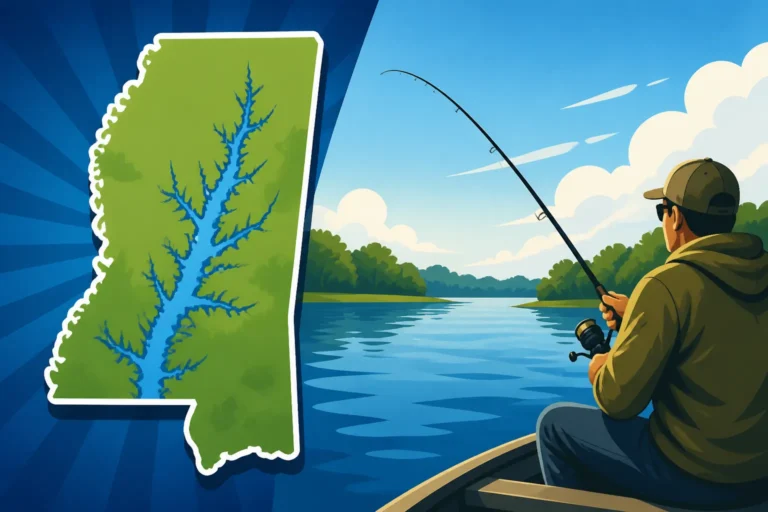
Best Farm Pond Fishing Tips in Mississippi
There's a special kind of frustration that comes with wanting to get out and fish, but facing the daunting prospect of crowded boat ramps, long drives to big reservoirs, or simply not having a boat at all. Many of us just yearn for a peaceful, convenient spot to drop a line close to home. Thankfully, Mississippi is blessed with countless farm ponds, offering some of the most accessible and rewarding fishing experiences you can find. This guide will dive deep into making the most of these overlooked angling treasures, offering practical, real-world tips to turn your local pond into a personal fishing paradise.
Why Farm Ponds are Mississippi's Hidden Gems for Anglers
Let's be honest, the thought of fishing the mighty Mississippi River or the vast expanse of Ross Barnett Reservoir sounds exciting, but sometimes, you just want something easier. That's where farm ponds shine. They offer a unique, intimate fishing experience that the big waters just can't match, and they're often right under our noses.
The Undeniable Appeal of Local Ponds
The convenience factor of farm ponds is truly unbeatable. Imagine waking up, grabbing your gear, and being at your fishing spot in less than 15 minutes. No need to fuel up the boat, pack a huge cooler, or battle for parking. This accessibility makes them perfect for a quick morning trip before work, an afternoon outing with the kids, or just a spontaneous escape when the fishing itch hits. For families, ponds are a fantastic way to introduce youngsters to the sport in a safe, controlled environment, without the distractions and potential dangers of larger, busier waterways.
Beyond convenience, many farm ponds receive far less fishing pressure than public lakes and rivers. This often translates into fish that are less wary and more willing to bite. You might be surprised at the quality of fish these smaller bodies of water can hold. I've personally pulled some absolute lunkers out of ponds I initially dismissed as too small to be productive. It's a testament to the idea that big fish don't always require big water, and the quiet solitude is an added bonus you won't always find elsewhere.
Understanding the Unique Ecosystem of a Farm Pond
Farm ponds are fundamentally different from sprawling reservoirs or meandering rivers. Typically, they are shallower, often with less defined structure, but they offer their own distinct advantages. Their smaller size means water temperatures can fluctuate more quickly, influencing fish behavior. In spring, they warm up faster, kicking off the bite earlier, and in summer, they can get quite warm, driving fish into deeper, cooler pockets or dense cover.
The forage base in a farm pond is usually simpler than in larger systems. You'll primarily find small baitfish like minnows, various insects, frogs, and crawfish. Understanding what the local fish are eating is key to selecting the right bait. Vegetation, from lily pads and cattails to submerged grass, plays a crucial role in a pond's ecosystem, providing cover, food, and spawning grounds. Learning to "read" a pond – identifying points, drop-offs, brush piles, and weed lines – will significantly improve your chances, just as it would on a larger lake. The intimate scale of a pond often makes these features easier to spot and understand.
Essential Gear and Setup for Farm Pond Success
You don't need a boatload of expensive gear to find success in farm ponds. In fact, one of the beauties of pond fishing is its simplicity. A basic setup and a few key items will get you a long way.
Rods, Reels, and Line: Keeping it Simple and Effective
For most farm pond fishing, a medium-light to medium-action spinning rod between 6 and 7 feet is perfect. It's versatile enough to cast lighter baits for bream and crappie, but still has enough backbone to handle a feisty largemouth bass or a decent catfish. Pair it with a 2000 or 2500 series spinning reel spooled with 6-10 pound monofilament or fluorocarbon line. Monofilament is a great all-around choice due to its stretch and knot strength, while fluorocarbon offers less stretch and better abrasion resistance, which can be useful when fishing around thick cover.
If you're specifically targeting bigger bass and plan on throwing heavier lures or fishing in dense vegetation, you might consider a medium-heavy baitcasting setup. However, for general pond fishing, the spinning combo is more than adequate for beginners and seasoned anglers alike. Remember, lighter tackle often makes catching even smaller fish more exciting, adding to the overall enjoyment of a peaceful pond outing.
Bait and Lure Selection: What Pond Fish Really Crave
Pond fish aren't usually as picky as their heavily pressured cousins in larger lakes. This means you can often get away with simple, versatile baits that consistently produce. For live bait, you can't go wrong with classic offerings. Worms, whether red wigglers for bream or nightcrawlers for bass and catfish, are universal fish magnets. Crickets are deadly for bream and bluegill, and a bucket of small minnows can tempt crappie and smaller bass. These are often readily available at your local bait shop or even from your own backyard compost pile!
When it comes to artificial lures, think small and versatile. Small spinnerbaits (1/8 to 1/4 ounce) are excellent search baits for bass and even aggressive crappie. Soft plastic worms (4-6 inches) rigged Texas-style are virtually weedless and incredibly effective for bass around cover. For topwater action, small poppers or hollow-bodied frogs can be exhilarating when bass are active in the early morning or late evening. Don't overlook small jigs for crappie, especially if you know there are brush piles or submerged trees in the pond. For more specific recommendations, exploring resources like "Best Bait for Crappie in Mississippi" or "Best Bait for Catfish in Mississippi" can provide excellent starting points.
Beyond the Basics: Must-Have Accessories
While keeping it simple is key, a few additional items will make your pond fishing trip more comfortable and efficient. A good pair of needle-nose pliers or a hook remover is essential for safely extracting hooks, especially from toothy catfish or deeply hooked fish. A small stringer or a cooler with ice is important if you plan on keeping your catch. Always carry a small tackle box or bag with extra hooks, weights (split shots or small bullet weights), and a few different lure options.
Consider comfort and safety too. A folding chair can make bank fishing much more enjoyable, and a cooler with drinks and snacks is always a good idea. Insect repellent is a must, especially during warmer months, to ward off mosquitoes and other biting bugs. A small first-aid kit, a pair of polarized sunglasses to cut glare and spot fish, and a hat for sun protection complete the essential pond fishing kit. This minimalist approach allows you to focus on the fishing itself, rather than wrestling with excessive gear.
Mastering Techniques for Productive Pond Fishing
Farm pond fishing, while often straightforward, still benefits from strategic thinking and a few refined techniques. Knowing how to approach the water, whether from the bank or a small craft, and understanding the habits of different species will significantly boost your success.
Bank Fishing Strategies: Covering Water Effectively
Most farm pond fishing happens from the bank, and with the right approach, you can be incredibly effective. Instead of just picking one spot and staying put, try to walk the bank and cast from different angles. Look for any visible changes in the shoreline or water. Points, submerged logs, rock piles, sudden drop-offs, and dense clumps of lily pads or cattails are all prime areas where fish will hold. These structures provide cover, ambush points for predators, and often cooler, deeper water.
Fan casting is a great technique for bank anglers. Cast your bait in a wide arc, starting to your left, then straight out, then to your right, covering a large section of water from one position. If you don't get a bite, move a short distance down the bank and repeat. Pay close attention to the retrieve. Many pond fish will hit a slowly retrieved bait. If you're struggling to find good spots, think about where you might find "Best Spots for Bank Fishing Without a Boat in Mississippi" – the principles of seeking out cover and structure apply universally, even in smaller settings.
Kayak and Small Boat Tactics: Expanding Your Reach
While many ponds are perfectly fishable from the bank, some larger ones might have areas that are inaccessible on foot. This is where a kayak, canoe, or small Jon boat becomes invaluable. A small craft allows you to reach hidden coves, fish the opposite bank, or access deeper, open water sections of the pond. The key to success with these smaller vessels is stealth. Paddle quietly, avoid sudden movements, and try to maintain a low profile.
Anchoring silently with a small anchor or even a stake-out pole in shallower areas is crucial for presenting your bait effectively. You can silently approach brush piles that are out of casting range from shore or explore the middle of the pond for schooling crappie or suspended catfish. Always remember safety first when using any watercraft. Ensure you have proper flotation devices and adhere to any local regulations. If you're wondering, "Do You Need a Boat License to Fish From a Kayak in Mississippi?", generally for recreational kayaks in Mississippi, you don't need a license for the boat itself, but always check the latest regulations.
Targeting Specific Species in Farm Ponds
Farm ponds are typically home to a mix of popular game fish. Knowing a little about each species' habits can dramatically improve your catch rates.
Largemouth Bass
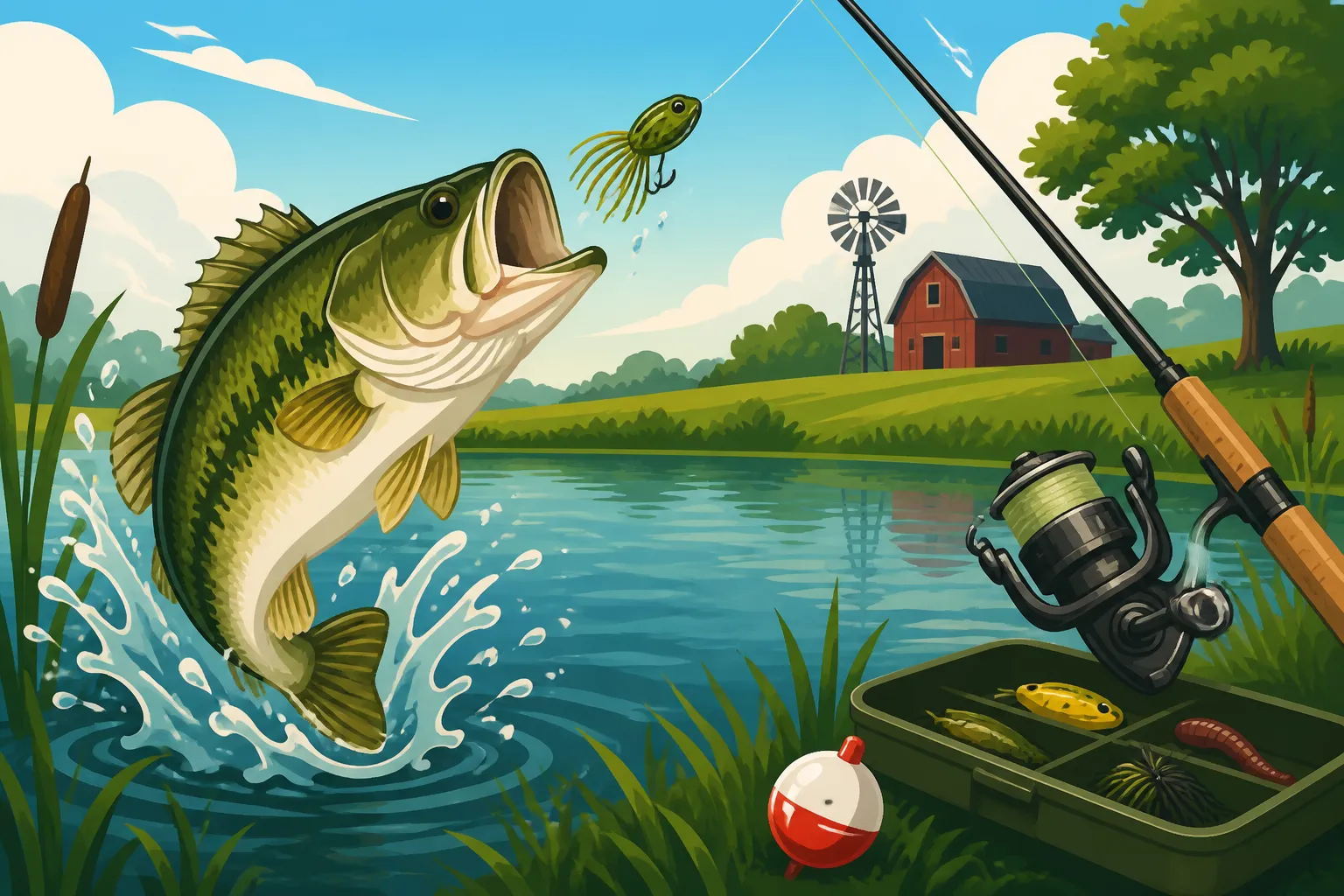
Bass are king in many Mississippi farm ponds. They love cover and ambush points. Focus your efforts around fallen trees, docks, lily pads, and any rocky areas. Early morning and late evening are prime times, especially during warmer months, when they'll often hit topwater lures with explosive strikes. During the day, try soft plastics (worms, creature baits) or small spinnerbaits worked slowly through and around cover. For deeper insights, check out "Bass Fishing Techniques for Mississippi Anglers".
Crappie
Often overlooked in ponds, crappie can grow to impressive sizes if the pond has a healthy population. They tend to school up and relate to structure like submerged brush piles, timber, or even the shadows of a dock. Small jigs (1/16 to 1/8 ounce) tipped with a minnow or a small plastic grub are highly effective. Fish them vertically or under a bobber around cover. For more detailed strategies, "Crappie Fishing Techniques for Mississippi Lakes" offers excellent advice applicable to ponds as well.
Catfish
Channel catfish are common pond inhabitants and offer excellent table fare. They are primarily bottom feeders and can be caught throughout the day, but often become more active in the evening and at night. Simple bottom rigs with a weight and hook baited with nightcrawlers, chicken livers, stink bait, or cut bait are your best bet. Cast them out, let them sink to the bottom, and wait. If you're serious about targeting whiskered warriors, "Catfish Fishing Techniques" is an invaluable resource.
Bream and Bluegill
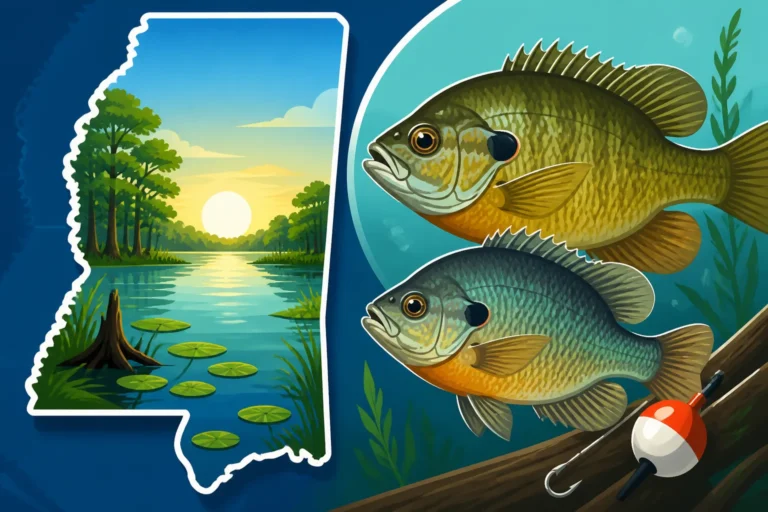
These panfish are the backbone of many farm ponds, especially when fishing with kids. They are abundant, aggressive, and can be caught almost anywhere. The simplest setup is often the best: a small hook, a split shot weight, and a bobber, baited with a small piece of worm or a cricket. They often hang around the edges of the pond, especially near weeds, lily pads, or other submerged structure. A fly rod with small poppers can also be incredibly fun for these feisty fighters. Our guide on "Bream and Bluegill Fishing in Mississippi" can provide additional fantastic tips.
Pond Management Basics for Better Fishing
While you might not own the pond, understanding some basics of pond management can help you appreciate why some ponds fish better than others. A well-managed pond typically has a balanced population of forage fish and predators, good water quality, and appropriate amounts of aquatic vegetation. Pond owners often work to maintain these conditions to promote healthy fish growth. For anglers, this means that a clean, thriving pond is usually a sign of good fishing. Conversely, ponds with excessive weeds, muddy water, or very few visible fish might indicate an imbalance. Knowing this can help you pick the most productive spots, or even inform a polite conversation with a landowner about conservation.
Responsible Pond Angling and Etiquette
Gaining access to a private farm pond is a privilege, and it comes with responsibilities. Practicing good etiquette and respecting the property ensures that these fantastic fishing opportunities remain available for you and others in the future.
Always Ask for Permission
This is perhaps the single most important tip for farm pond fishing in Mississippi. Never, ever fish on someone else's private pond without explicit permission. It might seem obvious, but it's surprising how many anglers assume they can fish if a pond looks accessible. This simple act of courtesy can make all the difference. A polite knock on the door, a brief introduction, and a respectful request can open up a world of fishing opportunities. Most landowners are happy to share their pond if you ask nicely and promise to respect their property.
Additionally, understanding regulations is key. While many private ponds are exempt from general state fishing license requirements for landowners and their guests, it's still crucial to be aware. "Do I Need a License to Fish on Private Ponds in Mississippi?" explicitly addresses this, and it's something every angler should know before casting a line. The "Mississippi Landowner Fishing License Exemption" also clarifies the rules for those who own the property and their invitees. Fishing without permission is trespassing and can lead to fines and, more importantly, a lost opportunity for future access.
Catch and Release vs. Harvest: Making Smart Choices
When fishing a private pond, consider the health of the fishery. In some ponds, especially those that are overpopulated with smaller fish, harvesting a reasonable number of smaller panfish or catfish can actually benefit the overall health of the pond by reducing competition and allowing remaining fish to grow larger. However, for larger, trophy-sized bass or crappie, practicing catch and release is often a good strategy to maintain the genetics for future big fish.
Always have a plan for what you'll do with your catch. If you're keeping fish for the fryer, dispatch them quickly and humanely, and keep them on ice to preserve their quality. If you're releasing them, handle them gently with wet hands, support their body weight, and release them as quickly as possible. Being thoughtful about your harvest practices contributes to the pond's long-term health and keeps the landowner happy.
Leaving No Trace: Preserving the Pond Environment
"Leave no trace" isn't just a mantra for wilderness hikers; it's vital for farm pond anglers too. Pack out everything you pack in, and then some. This means all fishing line, bait containers, snack wrappers, and drink bottles. A pristine shoreline is a welcome sight for any landowner, and nothing closes off access faster than leaving trash behind.
Be mindful of the surrounding property. Don't drive off designated paths, trample crops, or disturb livestock. Close all gates you open, and avoid making excessive noise. Treat the pond and its surroundings as if it were your own cherished property, or even better. By demonstrating respect and responsibility, you build trust with landowners, ensuring that these wonderful, tranquil fishing spots remain open for you and other considerate anglers for years to come. For those rare occasions when you're looking for a completely different experience on a larger, more public body of water, perhaps even with a guide, services like FishingBooker can help you connect with charters, offering a stark contrast to the quiet solitude of a private pond.
| Fish Species | Preferred Bait (Live) | Preferred Bait (Artificial) | Best Pond Locations | Key Technique |
|---|---|---|---|---|
| Largemouth Bass | Live minnows, frogs | Soft plastic worms, spinnerbaits, topwater frogs | Fallen trees, lily pads, docks, points | Cast to cover, slow retrieve |
| Crappie | Minnows, small shiners | Small jigs (1/16 – 1/8 oz) with grub tails | Submerged brush piles, standing timber, dock shadows | Vertical jigging, slow retrieve under bobber |
| Channel Catfish | Nightcrawlers, chicken livers, cut bait | Stink bait, dough balls | Pond bottom, deeper holes, near inlets/outlets | Bottom fishing with weight |
| Bream/Bluegill | Worms, crickets | Small poppers, tiny jigs | Weedy edges, lily pad beds, shallow banks | Bobber fishing, light tackle |
Disclaimer
The information provided in this guide is for general informational purposes only. Fishing regulations and access rules can change, and it is the angler's responsibility to verify all current laws, licensing requirements, and private property permissions before fishing. Always prioritize safety and respect private property.