Gear a Charter Captain Provides
One of the biggest questions that pops up when you're planning a fishing trip, especially if you're thinking about booking a charter in Mississippi, is "What in the world do I need to bring, and what does the captain actually supply?" It's a valid concern! You don't want to show up overpacked with gear you won't use, nor do you want to be caught without a crucial item. This guide is here to clear up that confusion, giving you a comprehensive breakdown of the gear and provisions your Mississippi charter captain will typically have on board, and what you'll still be responsible for bringing along for a fantastic day on the water.
The Essentials: What Every Charter Should Have Covered
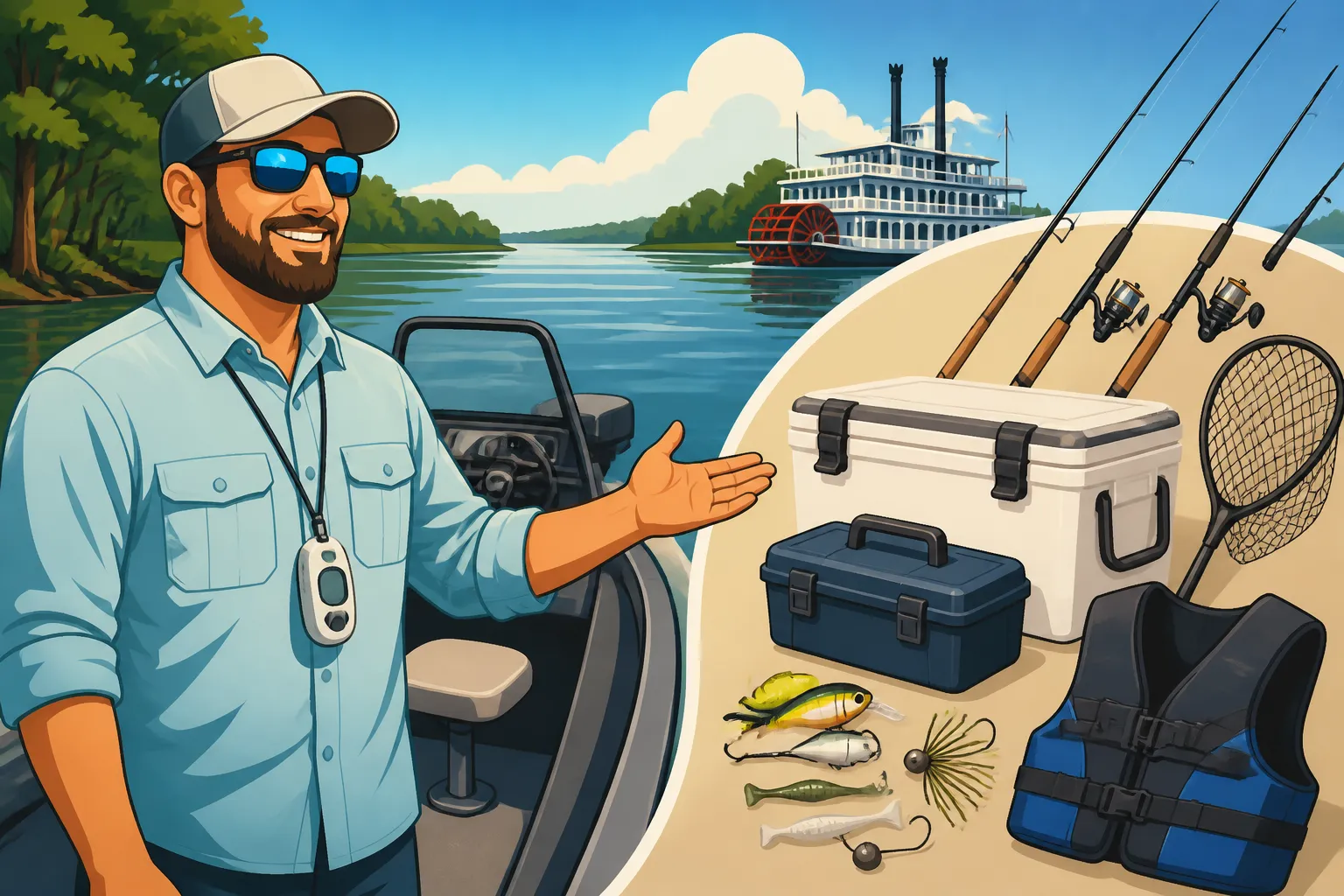
When you book a fishing charter, whether it's for chasing speckled trout in the Mississippi Sound or battling catfish on the big river, a significant chunk of the necessary fishing equipment is almost always provided. This is part of the value you get when hiring a professional. Their livelihood depends on having the right tools for the job, ensuring you have the best possible chance to catch fish and enjoy your experience.
Rods, Reels, and Terminal Tackle
You can breathe a sigh of relief here: your Mississippi fishing charter captain will absolutely provide all the rods and reels you'll need for the trip. This is perhaps the most fundamental aspect of a guided trip – they equip you perfectly for the target species and conditions.
Think about it: if you're heading out for deep-sea fishing off the Gulf Coast, you'll need heavy-duty conventional reels spooled with strong line, paired with robust rods designed to handle powerful red snapper or amberjack. If you're staying inshore, casting for redfish and speckled trout in the marshes, you'll likely use lighter spinning gear, maybe medium-light rods with smaller reels, perfect for casting artificials or live bait. A freshwater guide on a lake like Grenada might have multiple spider-rigging setups for crappie or powerful baitcasting combos for largemouth bass. These captains have invested in high-quality, well-maintained gear specific to the type of fishing they do, and more importantly, specific to the fish you’re after that day. They'll have a range of rods and reels to suit different preferences and skill levels within your group. Plus, using their gear means you don't have to worry about transporting your own expensive equipment, or worse, losing a favorite rod overboard. Every hook, sinker, swivel, and leader needed for the day's fishing is also part of their standard setup. They're stocked with the right sizes and strengths to maximize your chances of a successful catch, and they know which configurations are most effective in their local waters.
Live Bait and Lures
Beyond the rods and reels, the question of bait and lures is another big one for anglers. The good news is, your charter captain will almost certainly have this covered as well. Sourcing fresh, lively bait can be a time-consuming and often expensive endeavor for an individual angler, and captains factor this into their service.
For saltwater trips, expect a captain to have a well full of prime live bait, whether that's energetic live shrimp, frisky croakers, or schools of pogies (menhaden) they've cast-netted themselves that morning. The type of live bait will depend entirely on what you're targeting and what's available and effective. If you're fishing for redfish or speckled trout, live shrimp under a popping cork is often a go-to. If you're offshore, large live baits might be used for bigger game. Similarly, for freshwater excursions, a guide might have shiners or minnows for crappie, or various cut baits for catfish. In addition to live bait, captains carry an extensive array of artificial lures. This could range from topwater plugs and soft plastics for bass, to jig heads and grubs for crappie, or various spoons and jigs for saltwater species. They know which colors and styles are performing best on any given day, often having secret weapons that only local experience can uncover. When you're searching for a charter, whether through a platform like FishingBooker or directly, you'll usually see "bait and tackle included" listed as a key feature. This saves you the headache and expense of trying to guess what the fish are biting on.
Safety Gear and First Aid
Safety is absolutely paramount on any vessel, and charter captains are professionals who adhere to strict regulations. The United States Coast Guard (USCG) mandates specific safety equipment for all charter boats, so you can rest assured that your captain will have everything necessary on board.
This includes, but isn't limited to, an ample supply of U.S. Coast Guard approved personal flotation devices (PFDs), commonly known as life jackets, for every person on board, including children. They'll also have throwable flotation devices, visual distress signals (like flares), sound-producing devices (a horn or whistle), a fire extinguisher, and a first-aid kit. Your captain is trained in how to use this equipment and often holds certifications in CPR and basic first aid. While we all hope for a smooth trip, knowing that these essentials are on board and readily accessible provides immense peace of mind. Beyond the mandatory items, a good captain's first aid kit will likely be more comprehensive, including remedies for seasickness, bug repellent, and bandages for minor hooks or scrapes – because let's be honest, fishing involves sharp objects! Always communicate any medical needs or allergies to your captain beforehand, just in case. They're there to ensure your trip is not only fun but also safe.
Beyond the Basics: Added Comforts and Specialized Equipment
While the essentials cover the bare minimum for a fishing trip, many Mississippi charter captains go above and beyond to enhance your experience. They understand that a comfortable, efficient, and productive day on the water involves more than just a rod and reel.
Navigation and Fishfinding Electronics
Modern fishing boats, especially those used by professional charter captains, are essentially floating command centers equipped with advanced electronics. These aren't just fancy gadgets; they are critical tools that significantly increase your chances of finding and catching fish.
Expect your captain to have state-of-the-art GPS systems for accurate navigation, allowing them to mark productive spots, return to previous hot zones, and ensure a safe journey even in unfamiliar waters. But perhaps even more exciting for anglers are the fishfinding sonar technologies. These high-definition units can display detailed underwater topography, revealing hidden ledges, brush piles, submerged timber, and even schools of baitfish or game fish. Side-imaging and down-imaging sonar can paint a remarkably clear picture of what's beneath and around the boat, giving the captain a massive advantage in locating those elusive fish. Whether you're targeting crappie hiding in structure at Grenada Lake or looking for schooling redfish on the Mississippi Gulf Coast, these electronics are invaluable. They reduce guesswork and maximize the time you spend fishing in productive areas, rather than just cruising around hoping for a bite. A captain's expertise in interpreting these readouts is a skill developed over countless hours on the water, a skill you benefit from directly.
Coolers, Ice, and Fish Care
Once you've reeled in that prized catch, what happens next? A good charter captain will have the facilities to properly care for your fish, ensuring it stays fresh and delicious until you get back to the dock.
Nearly all charters will have large, insulated coolers on board specifically for keeping your catch. These aren't your personal picnic coolers; these are often commercial-grade, built to hold a substantial amount of fish and keep them chilled for the entire trip. Most captains also provide the ice for these coolers, a crucial detail, especially during the sweltering Mississippi summers. Proper fish care begins immediately after the catch. Many captains will bleed and ice down fish quickly to preserve their quality. At the end of the trip, one of the most appreciated services many captains offer is fish cleaning and bagging. While some might charge a small additional fee for this, many consider it part of the overall service. They’ll efficiently fillet, skin, or gut your fish, depending on the species and your preference, and then bag them for your journey home. This means you leave with ready-to-cook fillets, saving you the mess and effort after a long day of fishing. Always confirm this service when booking, especially if you're using a platform like FishingBooker to compare different captains.
Specialized Tools and Equipment
Fishing isn't just about rods and reels; it requires a host of specialized tools to handle fish safely and efficiently, both for you and for the fish. Your charter captain will have all these professional-grade items at the ready.
This includes things like sturdy nets for landing larger fish, or long-handled gaffs for bringing big offshore species aboard. You'll find a variety of pliers for hook removal, wire cutters for specific rigging, and release tools for safely unhooking fish you intend to return to the water, which is particularly important for species with strict size or bag limits, or those that are protected. For accurate reporting and bragging rights, many captains carry certified scales to weigh your trophy catches. They'll also have cutting boards and sharp knives for immediate bait preparation or the aforementioned fish cleaning. Moreover, many modern boats are equipped with livewells to keep bait fresh and lively throughout the day, or even specific containers to hold delicate species. These tools are often robust, well-maintained, and designed for heavy use, reflecting the captain’s commitment to providing a professional and well-equipped fishing experience. They ensure that every step of the fishing process, from landing a fish to preparing it for your dinner table, is handled with expertise.
What You're Still Expected to Bring (And Why)
Even with all the fantastic gear and provisions your charter captain supplies, there are definitely some essential items you'll need to bring yourself to ensure maximum comfort and enjoyment. These are typically personal items, food and drink, and, most importantly, your own individual fishing license.
Personal Items and Comforts
While the captain covers the fishing gear, your personal comfort throughout the day is entirely up to you. Think about the weather conditions in Mississippi – they can change quickly, and the sun can be relentless.
Sun protection is absolutely crucial. A wide-brimmed hat, good quality sunglasses (polarized ones are a game-changer for spotting fish and reducing glare!), and plenty of broad-spectrum sunscreen are non-negotiable. Reapply that sunscreen frequently, even on cloudy days, as the sun reflecting off the water can be deceptively intense. Dress in layers, as mornings can be cool, especially on the water, but the midday sun can heat things up fast. Moisture-wicking clothing is always a good idea. Consider bringing rain gear, even if the forecast looks clear; a pop-up shower is not uncommon in Mississippi, and a sudden downpour can make for a miserable trip if you're unprepared. Comfortable, non-slip shoes are a must, as boat decks can get wet and slippery. If you're prone to motion sickness, take preventive medication before you board the boat, not once you start feeling queasy. A small, dry bag can be incredibly useful for keeping your phone, wallet, and keys safe and dry. You might also want to bring a camera to capture those memorable catches!
Food, Drinks, and Snacks
Unless specifically stated otherwise in your booking, you should plan on bringing all your own food and drinks for the day. While some high-end charters might offer light refreshments, this is generally the exception, not the rule.
A long day of fishing, especially under the Mississippi sun, can really work up an appetite and dehydrate you. Pack plenty of water, sports drinks, or whatever beverages you prefer. Avoid sugary sodas that can leave you feeling sluggish. For food, think about easy-to-eat, non-messy snacks and sandwiches. Chips, granola bars, fruit, and sandwiches are classic choices. Remember, space on a boat can be limited, so don't bring an enormous cooler unless your captain confirms there's room for it – they'll likely have their fish cooler taking up much of the prime deck space. A small, personal soft-sided cooler is usually perfect for your individual provisions. Consider items that won't spoil quickly in the heat. Staying hydrated and well-fed will keep your energy levels up and your spirits high, ensuring you can focus on landing that next big fish without feeling drained.
Your Mississippi Fishing License
This is perhaps the most critical item on your personal checklist, and it's where many first-time charter guests make a common mistake: assuming the captain's license covers them. This is incorrect. Every individual angler aged 16 and over is required to possess their own valid Mississippi fishing license, regardless of whether you're on a charter boat or fishing from the bank.
Even if the boat itself has a commercial license, that doesn't exempt individual recreational anglers. Before you even set foot on the boat, make sure you have the appropriate license for the type of fishing you'll be doing (freshwater or saltwater) and your residency status (resident or Mississippi Nonresident Fishing License Guide). You can easily purchase a Mississippi Fishing License Online Renewal or at various authorized retailers across the state, including some sporting goods stores. It's best to handle this in advance to avoid any last-minute stress or, worse, being unable to fish. Not having a valid license can result in fines and disrupt your trip, so don't overlook this crucial requirement. Always carry your physical license or a digital copy on your phone, along with a valid ID, as game wardens can check at any time. For a comprehensive overview, check out our Mississippi Fishing License Guide or learn How to Get a Mississippi Fishing License.
Summary of What's Provided vs. What to Bring
To make it even easier, here's a quick table outlining what you can expect your Mississippi charter captain to provide and what you'll need to bring yourself.
| Category | Typically Provided by Captain | You Should Bring |
|---|---|---|
| Fishing Gear | Rods, reels, line, hooks, weights, leaders, all terminal tackle | Your lucky hat (optional, but highly recommended!) |
| Bait & Lures | All live bait (shrimp, minnows, cut bait, etc.), a variety of artificial lures | Your favorite personal lure (if you insist, but captain's choice is usually best) |
| Safety Equipment | USCG-approved PFDs (life jackets) for all, throwable devices, first-aid kit, fire extinguisher | Personal medications (e.g., motion sickness, allergies) |
| Fish Handling | Coolers for catch, ice, fish cleaning/filleting (often included or small fee), gaffs, nets | Ziploc bags for your cleaned fillets (optional, if captain doesn't provide) |
| Boat Amenities | Navigation (GPS, charts), fish finders (sonar), sometimes a head (toilet) on larger boats | |
| Personal Comfort | Sunscreen, hat, polarized sunglasses, appropriate clothing (layers, rain gear) | |
| Food & Drink | Plenty of water, soft drinks, snacks, sandwiches, any specific dietary needs | |
| Required Documents | Valid Mississippi Fishing License (for 16+), Photo ID | |
| Miscellaneous | Camera, small dry bag for valuables, towel |
Booking a fishing charter in Mississippi is an incredible way to experience the state's diverse fisheries, from the Gulf Coast to its productive inland reservoirs. By understanding what your captain will provide, you can prepare effectively, minimize stress, and focus entirely on the thrill of the catch. Always double-check with your specific captain or the details on your FishingBooker listing when you book, as individual offerings can vary slightly. But generally, they’ve got the heavy lifting covered when it comes to the fishing gear!
Disclaimer
This article is for general informational purposes only and does not constitute professional advice. Laws, prices and regulations vary by location and change over time. Consult a qualified professional for guidance on your specific situation.