Horn Island Fishing Access and Boat Trips
There’s nothing quite like the allure of an undeveloped barrier island, especially when it promises incredible fishing opportunities. But let's be real, the thought of getting to such a pristine spot, figuring out where to cast a line, and knowing what to expect can feel a little daunting. Horn Island, a jewel off the Mississippi Gulf Coast, is exactly that kind of place—a wild, beautiful haven for anglers. This guide is here to cut through the confusion and give you all the practical, real-world advice you need to plan an unforgettable fishing trip to Horn Island.
Discovering Horn Island's Unique Fishing Appeal
Horn Island isn't just another sandy beach; it's a vibrant ecosystem, part of the Gulf Islands National Seashore, that calls out to anyone looking for an authentic coastal fishing experience. Its untouched beauty and rich marine life make it a truly special destination, but that very remoteness means you need to be prepared. Understanding what makes Horn Island so appealing and how to actually get there are your first crucial steps.
Why Horn Island is a Premier Fishing Destination
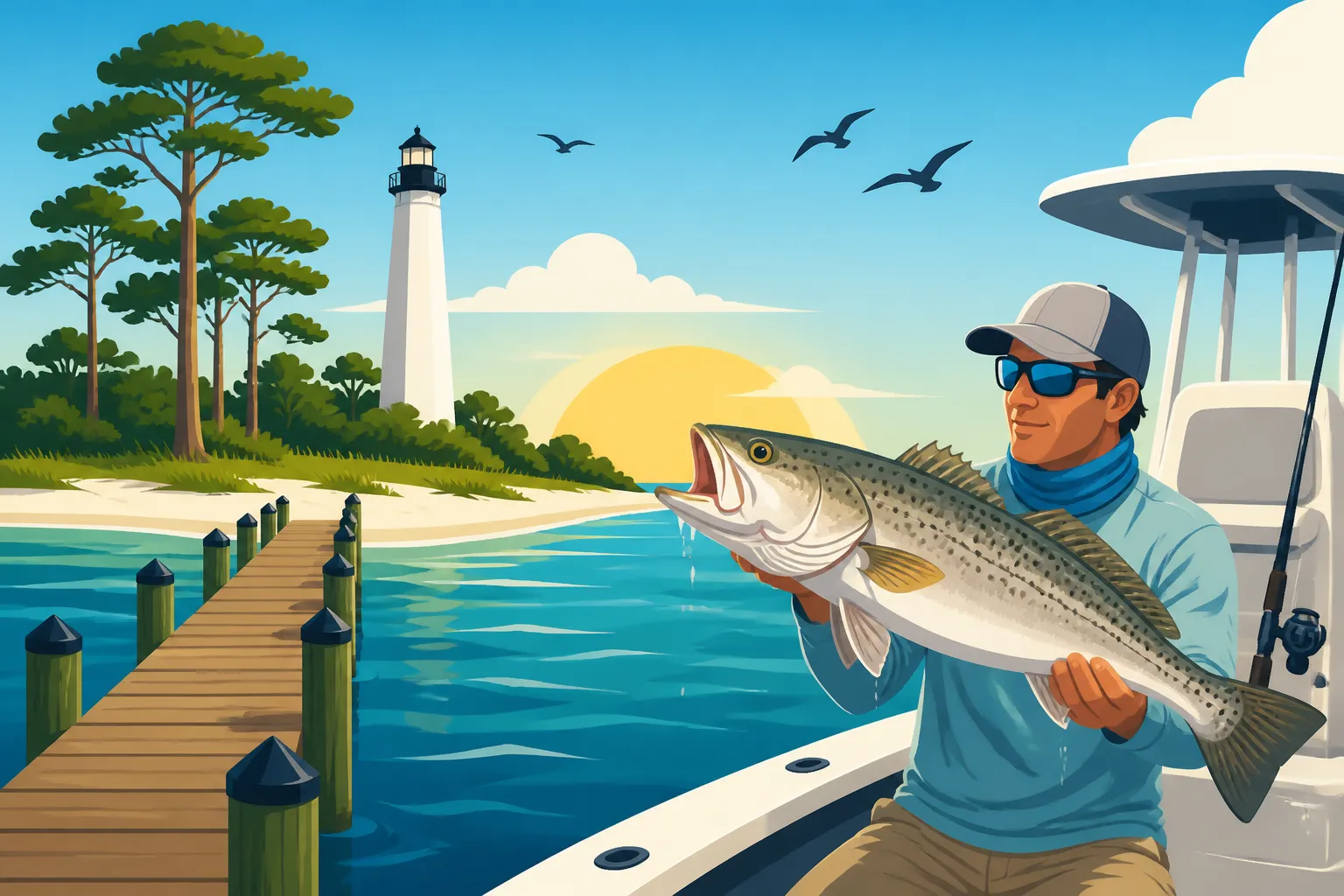
Imagine miles of pristine, white-sand beaches, calm bayous, and a rich tapestry of marsh grass—all teeming with fish. That's Horn Island. What sets it apart from more accessible spots along the mainland is its relative isolation. Because it's only accessible by boat, it sees less pressure than other areas, leading to healthier fish populations and a more serene angling experience. You'll find everything from aggressive Redfish cruising the flats and Speckled Trout hiding in the grass beds to Flounder lurking in sandy bottoms and various species of baitfish that attract larger predators. The island's dynamic environment, with its changing tides and diverse habitats, creates an angler's paradise, offering different fishing scenarios throughout the year. It's truly a place where you can feel connected to nature while pursuing your passion.
Navigating Access: Private vs. Public Boats
Getting to Horn Island is, without a doubt, the biggest logistical hurdle, but it's also part of its charm. Since there are no bridges or ferries for public transport to Horn Island, you have two primary options: using your own boat or chartering one. If you have your own vessel, be it a small skiff, a bay boat, or even a larger center console, you have the flexibility to come and go as you please. You'll need to launch from one of the many public boat ramps along the Mississippi Coast, such as those in Biloxi, Ocean Springs, or Gulfport. Ensure your boat is seaworthy, and always check marine weather forecasts, as the trip across the Mississippi Sound can get choppy, especially on windy days. Fuel capacity is also critical, as there are no services on the island.
For those without a boat, or if you simply prefer a hassle-free experience, a fishing charter or a boat taxi service is your best bet. Numerous reputable operators run out of coastal towns. These services can range from a simple drop-off and pick-up arrangement to a fully guided fishing trip where all gear, bait, and local knowledge are provided. Companies often cater to groups of various sizes, and you can usually find and book these services through platforms like FishingBooker, which lists a variety of experienced captains specializing in Gulf Coast trips. It removes the stress of navigation and allows you to focus purely on the fishing and enjoying the scenery.
Planning Your Horn Island Fishing Excursion
A successful trip to Horn Island requires more than just a rod and reel; it demands thoughtful preparation. From packing the right gear to understanding the local rules, being prepared ensures your day is spent making memories, not dealing with avoidable problems.
Essential Gear and Supplies for the Island
When you're heading to an undeveloped barrier island, think self-sufficiency. You won't find a bait shop, a convenience store, or even a public restroom on Horn Island, so everything you need must come with you and leave with you. For fishing, pack a variety of tackle suitable for both inshore and surf fishing. This typically includes medium-light to medium-heavy spinning rods, plenty of extra line (braid is a popular choice for sensitivity and strength), and an assortment of lures. Soft plastics, like paddle tails and shrimp imitations, are excellent for Speckled Trout and Redfish, while spoons and topwater plugs can provoke exciting strikes. Don't forget live bait—shrimp and mullet are usually irresistible—kept fresh in a portable aerated livewell.
Beyond fishing gear, essentials include plenty of drinking water (more than you think you'll need!), snacks, sunscreen, insect repellent, a first-aid kit, and a trash bag to pack out all your waste. A cooler with ice is crucial for keeping your catch fresh and your drinks cold. If you plan to spend the whole day or camp overnight, consider bringing a shade umbrella or a small pop-up tent. Remember, you'll be exposed to the elements, and the sun can be intense, so protective clothing, a wide-brimmed hat, and polarized sunglasses are highly recommended.
Understanding Regulations and Conservation Efforts
Fishing in Mississippi, especially in a protected area like the Gulf Islands National Seashore, comes with specific rules designed to protect the fragile ecosystem and ensure sustainable fish populations. First and foremost, anyone aged 16 to 64 needs a valid Mississippi saltwater fishing license. You can easily purchase these online or from various vendors across the state. It's always a good idea to have your license readily available, either physically or digitally on your phone.
Beyond the license, you must be aware of species-specific regulations. These include daily creel limits (the maximum number of a certain fish you can keep), size limits (minimum and sometimes maximum lengths), and sometimes even specific seasons. For instance, there are strict rules for "Redfish and Speckled Trout Limits" on the Mississippi Gulf Coast. Always check the latest regulations published by the Mississippi Department of Wildlife, Fisheries, and Parks (MDWFP) before you head out. These regulations can change, so a quick check ensures you're compliant. Moreover, Horn Island is a pristine natural habitat; practicing "leave no trace" principles is paramount. This means taking out everything you bring in, respecting wildlife, and avoiding disturbing nesting birds or other sensitive areas. Responsible angling ensures that Horn Island remains a beautiful and productive fishing spot for generations to come.
Maximizing Your Fishing Success Around Horn Island
Knowing where to fish and how to fish specific areas around Horn Island will significantly boost your chances of a memorable day. The island's diverse structure offers a variety of fishing scenarios for different species.
Top Fishing Spots and Target Species
Horn Island offers a dynamic environment with various habitats, each attracting different species. The north side of the island, facing the Mississippi Sound, often provides calmer waters, especially on windy days from the south. This area is characterized by shallow grass flats and oyster beds, making it prime habitat for Speckled Trout and Redfish. Casting soft plastics under a popping cork or free-lining live shrimp near the grass lines can be incredibly productive here. Many anglers also find success working the mouth of the interior lagoons and bayous that cut into the island.
The surf on the south side of Horn Island, facing the open Gulf, is excellent for a different kind of challenge. Here, you might encounter larger Redfish (often referred to as "bull reds"), Pompano, Whiting, and sometimes even Spanish Mackerel. Fishing the troughs and cuts formed by the waves with cut bait, live shrimp, or Kastmasters can yield exciting results. The passes and cuts between Horn Island and neighboring islands (like Petit Bois or Ship Island) are also fantastic spots. The strong currents in these areas bring in plenty of baitfish, attracting predatory species. These spots are often best fished during moving tides. For those seeking deeper action, artificial reefs and wrecks scattered around the island's perimeter can hold anything from snapper to king mackerel, though these usually require a boat equipped with sonar.
Best Boat Trip Options and Charter Considerations
Choosing the right boat trip to Horn Island depends largely on your goals and experience level. If you're an experienced angler with your own boat, a self-guided trip offers maximum freedom. You can explore at your own pace, target specific species, and stay as long as you like (within camping regulations if staying overnight). However, you're responsible for all navigation, safety, and bringing every supply. Always ensure you have sufficient fuel for the round trip and extra for emergencies.
For many, chartering a boat is the ideal option. A good fishing charter provides not only transportation but also invaluable local expertise. Captains intimately know the currents, the seasonal movements of fish, and the best fishing spots around Horn Island. They supply all the necessary gear, bait, and even clean your catch. If you’re interested in a guided experience, platforms like FishingBooker are excellent resources for finding reputable charters specializing in trips to Horn Island and the surrounding Gulf Coast waters. You can find options ranging from half-day trips, perfect for a quick outing, to full-day excursions that give you more time to explore. When booking, always confirm what's included, like fishing licenses (some charters include them for all passengers, while others require you to have your own), and what you should bring, such as food and drinks. Opting for a guided trip often results in a more productive and enjoyable experience, especially if you're new to the area or saltwater fishing.
Beyond the Catch: Enjoying Horn Island's Natural Beauty
While fishing is undoubtedly the main draw, Horn Island offers so much more. Taking the time to appreciate its untouched environment can turn a great fishing trip into an unforgettable adventure.
Camping and Island Etiquette for Anglers
For those truly looking to immerse themselves in Horn Island's wild beauty, primitive camping is allowed in designated areas. Imagine waking up to the sound of waves, with the sun rising over the Gulf, and having immediate access to some of the best fishing around. It's an incredible experience, but it comes with significant responsibilities. You must pack in everything you need—food, water, shelter, cooking supplies, and even a portable toilet system if you're staying for more than a day. Remember the golden rule of "pack it in, pack it out." Absolutely no trash should be left behind, including fish scraps, which can attract unwanted wildlife and damage the ecosystem. Fires are generally not permitted, so bring a portable stove for cooking. Adhering to these strict leave-no-trace principles is crucial for preserving the island's pristine condition for future visitors and its delicate wildlife.
Wildlife Viewing and Photography Opportunities
Horn Island is a haven for wildlife, making it a fantastic spot for nature enthusiasts and photographers, even when the fish aren't biting. The island is a crucial nesting ground for various bird species, including least terns, black skimmers, and several species of gulls and shorebirds. Keep an eye out for ospreys diving for fish or brown pelicans gliding gracefully overhead. On the ground, you might spot crabs scurrying along the shoreline or even deer in the interior maritime forests. The waters around the island are also home to bottlenose dolphins, which you might see playing in the wakes of boats or feeding in the shallow flats. Don't forget to look for alligator tracks near the freshwater ponds. Bringing a good pair of binoculars and a camera can add another dimension to your fishing trip, allowing you to capture the stunning natural beauty and unique inhabitants of this incredible barrier island.
| Fish Species | Common Habitat | Best Bait/Lures | Average Size (inches) | Daily Creel Limit (e.g., MS Coast) |
|---|---|---|---|---|
| Redfish | Grass flats, oyster beds, surf | Live shrimp/mullet, soft plastics, spoons | 18-27 | 5 fish (18"-30") |
| Speckled Trout | Grass beds, bayous, channels | Live shrimp, soft plastics under popping cork | 14-20 | 15 fish (15"-20") |
| Flounder | Sandy bottoms, near structures | Live minnows, small live shrimp, Gulp! baits | 12-16 | 10 fish (12" min) |
| Pompano | Surf, sandy beaches | Sand fleas, small jigs, Fishbites | 10-15 | 10 fish (11" min) |
| White Trout | Channels, deeper grass beds | Live shrimp, small jigs, cut bait | 10-14 | No size limit, 25 fish daily |
Important Disclaimer
The information provided in this guide is for general informational purposes only and is subject to change. Fishing regulations, license requirements, and access policies can vary and are regularly updated by the Mississippi Department of Wildlife, Fisheries, and Parks and the National Park Service. Always consult the official government websites and local authorities for the most current and accurate information before planning your trip. Fishing inherently carries risks, and safety precautions should always be observed.