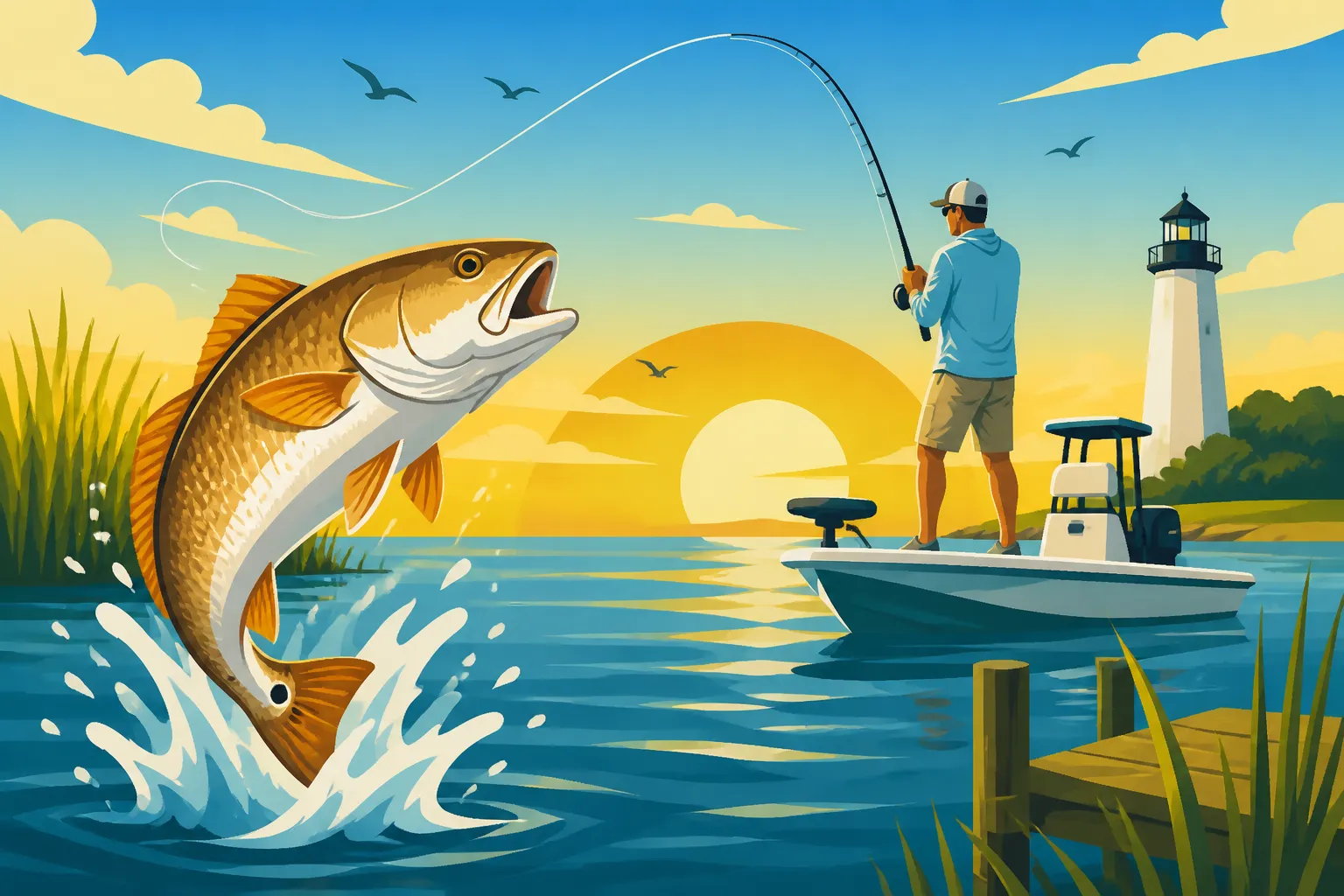
Bay St. Louis Fishing Guide
There's nothing quite like the salty air and the anticipation of a tug on your line, but sometimes finding the perfect fishing spot in a new area can feel like trying to solve a puzzle. Bay St. Louis, with its unique blend of bayous, open water, and marshland, offers incredible fishing opportunities, yet it can be overwhelming to know where to start. This comprehensive guide will cut through the confusion, offering local insights and practical advice to help you make the most of your next fishing adventure in this beautiful coastal town.
Why Bay St. Louis is a Premier Fishing Destination
Bay St. Louis isn't just another pretty face on the Mississippi Gulf Coast; it's a genuine angler's paradise, offering a diverse and rich environment that supports an incredible variety of fish. For those who love the thrill of both inshore and nearshore action, this area truly stands out. It's not uncommon for a single trip to yield multiple species, making every outing an exciting surprise. The serene beauty of the bay and its surrounding estuaries perfectly complements the fantastic fishing, offering a truly immersive experience that's hard to beat.
Unique Estuarine Environment
What makes Bay St. Louis so special for fishing is its incredible estuarine system. This isn't just open ocean; it's where freshwater rivers and bayous mix with the saltwater of the Gulf. This constant exchange creates a nutrient-rich environment that acts as a nursery and feeding ground for countless fish species. The marsh grass, oyster beds, and various submerged structures provide ideal habitats, offering protection and ample food sources for both baitfish and the larger predatory species we love to target. It's a dynamic ecosystem that's always buzzing with life, attracting fish in all stages of their lifecycle.
The brackish water conditions found throughout the Bay St. Louis area mean you can often catch species typically associated with both fresh and saltwater in close proximity. Imagine reeling in a hefty redfish only to have a large channel catfish or even a freshwater drum bite on the very next cast! This unique characteristic adds an exciting layer of unpredictability and diversity to your fishing trip. The intricate network of bayous and small creeks feeding into the bay creates a myriad of hidden spots, perfect for those who enjoy exploring and finding their own secret honey holes. Understanding the nuances of this estuarine environment is key to unlocking its full fishing potential.
Rich Biodiversity and Target Species
Due to its vibrant estuarine nature, Bay St. Louis boasts an impressive array of fish species that will keep any angler entertained. From the popular game fish sought by nearly everyone to those lesser-known but equally exciting catches, there's always something biting. Anglers can expect to encounter a thriving population of speckled trout, redfish, flounder, and sheepshead, which are the quintessential Gulf Coast targets. These species are abundant and provide thrilling fights, whether you're casting artificial lures or soaking live bait.
Beyond these favorites, the bay is also home to a healthy population of black drum, white trout, croaker, and various types of catfish, especially in the more brackish upper reaches. The sheer variety means that even on days when one species isn't cooperating, another is likely to be active, ensuring a productive day on the water. This rich biodiversity is a testament to the healthy ecosystem here, and it’s why Bay St. Louis is consistently listed among the top fishing destinations along the Mississippi coast. Keeping an eye on the local fishing reports, often found through services like FishingBooker, can give you a heads-up on what's biting best at any given time.
Prime Fishing Spots in Bay St. Louis
Knowing what to fish for is only half the battle; knowing where to cast your line is equally crucial. Bay St. Louis offers a fantastic variety of accessible fishing spots, catering to everyone from those who prefer the comfort of a pier to anglers with boats venturing into the deeper bay waters or intricate marsh systems. Each location presents its own set of challenges and rewards, and understanding their characteristics will significantly improve your chances of a successful outing. Don't be afraid to try different areas; sometimes the fish are just a short distance away from where you started.
Bay St. Louis Piers and Bridges
For those who prefer to stay on solid ground or simply enjoy the convenience of not launching a boat, the piers and bridges around Bay St. Louis are absolute hotspots. The Bay St. Louis Municipal Harbor and the fishing pier along Beach Boulevard are fantastic public access points that often yield impressive catches. These structures act like artificial reefs, attracting baitfish which in turn draw in larger predatory species. You'll often see a mix of anglers, some casting out live shrimp under a popping cork, others jigging soft plastics, all hoping for that tell-tale strike.
The pilings of these structures, particularly around the Bay St. Louis Bridge, are prime targets for sheepshead, which love to graze on barnacles and small crustaceans. Redfish and speckled trout will also cruise these areas, especially during tidal changes when baitfish are being swept past. Early mornings and late evenings are typically the most productive times, as the fish are often more active and less spooky. Remember that while public piers are generally free, it's always a good idea to double-check local regulations and signs for any specific rules or permit requirements. For more details on shore fishing, check out our guide on Bay St. Louis Pier and Bank Fishing Spots.
Nearshore Reefs and Structures
If you have access to a boat, even a small skiff or kayak, exploring the nearshore reefs and submerged structures in Bay St. Louis can be incredibly rewarding. These areas, whether they're natural oyster reefs, artificial reef deployments, or even old sunken debris, hold a tremendous amount of fish. They provide excellent ambush points for larger game fish and a sanctuary for smaller baitfish. Identifying these structures, often with the help of a good fish finder or local knowledge, is key to consistently finding fish.
Many anglers find success by slowly trolling around these structures with live bait or artificial lures, while others prefer to anchor up-current and cast towards the structure, allowing their bait to drift naturally into the strike zone. Redfish, speckled trout, and often flounder will congregate around these areas, especially during periods of strong tidal flow. The Mississippi Department of Marine Resources (MDMR) has several artificial reef zones along the coast that are well-documented and provide excellent fishing opportunities, some of which are accessible from Bay St. Louis. These spots can be particularly productive after a good storm has stirred up the bottom, making bait more available.
Back Bay and Marshy Areas
The intricate network of bayous, creeks, and marsh grass found in the back bays of Bay St. Louis offers a completely different, but equally thrilling, fishing experience. These shallow, protected waters are ideal for those who enjoy a more serene fishing environment, often accessible by smaller boats, kayaks, or even by wading in some areas. The marsh grass itself is a vital part of the ecosystem, providing shelter for juvenile fish and a hunting ground for predators. This is particularly true during cooler months when fish seek warmer, shallower waters.
Targeting the edges of the marsh grass, oyster bars, and deeper pockets within the bayous is a highly effective strategy here. Topwater lures can be incredibly exciting in these shallow areas, especially during low light conditions, as redfish and large speckled trout will explode on baits. Live shrimp and mud minnows are also highly effective, particularly when fished under a popping cork near the grass lines. Understanding the tides is paramount when fishing these marshy areas; falling tides often pull bait out of the grass, concentrating fish in deeper channels, while rising tides allow fish to push deeper into the flooded marsh to feed.
Top Fish Species to Target and How to Catch Them
When you're fishing in Bay St. Louis, you're primarily going after some of the Gulf Coast's most iconic and delicious game fish. These species not only provide thrilling fights but also make for excellent table fare. Each species has its preferred habitat, diet, and behavior, so tailoring your approach will significantly increase your success rate. It's all about matching the hatch and being where the fish want to be.
Speckled Trout and Redfish
Speckled trout (often just called "specs" by locals) and redfish (or "reds") are the undisputed kings of inshore fishing in Bay St. Louis. Both are aggressive feeders and can be found throughout the bay system. Speckled trout are known for their explosive strikes and are particularly fond of live shrimp, mud minnows, and a variety of artificial lures such as soft plastics (like curly tail grubs or paddle tails) fished on jig heads, as well as topwater plugs during low light. They tend to school up, so where you find one, you'll often find more. Their silver, iridescent bodies with distinct black spots make them easily recognizable. If you’re targeting these beauties, be sure to check out our specific guides on Speckled Trout Fishing Techniques and Redfish Fishing Techniques on the Gulf Coast.
Redfish, on the other hand, are famous for their powerful runs and their distinctive black "eye spot" near their tail. They are less picky eaters than trout and will readily hit live bait like shrimp, crabs, and mullet, as well as a wide array of artificials including spoons, spinnerbaits, soft plastics, and topwater lures. Redfish often patrol shallow flats and marsh edges, sometimes with their tails "tailing" out of the water as they root for crustaceans on the bottom. When fishing for reds, heavier tackle might be necessary, especially for the larger "bull reds" that frequent the deeper bay waters. Both species are highly sought after, and catching a "double-digit" speckled trout or a slot-sized redfish (within the legal size and bag limits detailed in the Mississippi Redfish and Speckled Trout Limits) is a true achievement.
Flounder and Sheepshead
While speckled trout and redfish get most of the glory, flounder and sheepshead offer a unique challenge and are equally delicious. Flounder are masters of camouflage, lying flat on the bottom, waiting to ambush unsuspecting baitfish and shrimp. They are often caught by accident while targeting other species, but dedicated flounder anglers use specific techniques. Flounder respond well to live bait, particularly live mud minnows or small finger mullet, fished slowly along the bottom with a Carolina rig or a light jig head. Look for them around sandy or muddy bottoms near structure, bridge pilings, or sudden drop-offs. Their bite can be subtle, feeling more like a slight weight than a distinct strike, so paying close attention to your line is crucial.
Sheepshead, with their distinctive striped bodies and human-like teeth, are another popular target, especially around oyster reefs, bridge pilings, and any other structure covered in barnacles. They are notoriously tricky to hook due to their small mouths and light bite, earning them the nickname "convict fish." Small pieces of shrimp, fiddler crabs, or small oysters are the best baits, fished on a very small, sharp hook (like a Kahle hook) with just enough weight to get it to the bottom. It often takes a very delicate touch and quick reflexes to set the hook before they steal your bait. They put up a surprising fight for their size and are considered a delicacy by many.
| Species | Preferred Habitat | Common Baits/Lures | Seasonal Peak | Regulations (Always Verify) |
|---|---|---|---|---|
| Speckled Trout | Grassy flats, oyster reefs, bayou mouths | Live shrimp, soft plastics, topwater lures | Spring, Fall | MDWFP Limits |
| Redfish | Shallow marsh, oyster bars, docks | Live shrimp/mullet, spoons, spinnerbaits | Year-round, best Fall | MDWFP Limits |
| Flounder | Sandy/muddy bottoms near structure | Live mud minnows, small mullet, jig-n-shrimp | Fall, Winter | MDWFP Limits |
| Sheepshead | Pilings, jetties, oyster beds | Fiddler crabs, shrimp, cut pieces of oyster | Winter, Early Spring | MDWFP Limits |
| Black Drum | Muddy bottoms, deeper channels | Cut bait, shrimp, crabs | Year-round | MDWFP Limits |
| Catfish | Upper bay, brackish rivers, deep holes | Cut bait, nightcrawlers, stink bait | Spring, Summer | MDWFP Limits |
Note: Always consult the latest Mississippi Department of Wildlife, Fisheries, and Parks (MDWFP) regulations for current size and creel limits before fishing. These can change frequently.
Other Coastal Catches
Beyond the main targets, Bay St. Louis offers a rich tapestry of other fish species that can surprise and delight. Black drum are common, often found in similar areas to redfish but preferring muddier bottoms and deeper holes. They grow to impressive sizes and put up a strong, thumping fight. They readily take cut bait, shrimp, or even crabs. White trout and croaker are abundant throughout the bay and offer consistent action, especially for younger anglers or those simply looking for a steady bite. These smaller, schooling fish are fantastic for a quick fry-up and can be caught on small pieces of shrimp or artificial baits.
In the more brackish reaches of the bay and its feeder rivers, you'll also encounter various species of catfish, including channel catfish and sometimes blue catfish. These bottom dwellers are powerful fighters and excellent eating. They respond well to cut bait, chicken livers, and commercial stink baits. Even freshwater drum (gaspergou) can be found, offering another hard-fighting species that can be surprisingly large. The diversity means you never quite know what you're going to reel in, adding an element of surprise to every cast, and making a trip to Bay St. Louis truly an all-around fishing adventure.
Best Times to Fish in Bay St. Louis
Timing is everything in fishing, and Bay St. Louis is no exception. While you can certainly catch fish year-round, understanding the seasonal patterns and the impact of tides and weather can dramatically improve your success. Being in the right place at the right time with the right bait is a formula for consistent catches, and knowing when these factors align is crucial.
Seasonal Breakdown for Optimal Fishing
Spring (March – May): This is arguably one of the best times to fish in Bay St. Louis. As water temperatures begin to rise, fish become incredibly active. Speckled trout move into shallower waters to spawn, making them more accessible. Redfish are cruising the marsh edges, and flounder begin to migrate into the bay. Live shrimp under a popping cork is deadly during spring. The weather is generally pleasant, making for comfortable fishing conditions. You'll find a wide variety of species biting consistently. For a broader overview, check out our Mississippi Spring Fishing Guide.
Summer (June – August): The heat of summer pushes many fish into deeper, cooler waters or makes them most active during the cooler parts of the day – dawn and dusk. Night fishing for speckled trout, redfish, and especially catfish can be incredibly productive. Offshore, red snapper season might be open, attracting anglers to the deeper Gulf waters (with proper licenses and charters). Inshore, targeting shaded areas, bridge pilings, and deeper channels during strong tidal flows is key. Hydration is critical when fishing in the Mississippi summer heat.
Fall (September – November): Many locals consider fall the absolute best time to fish the Mississippi Gulf Coast, and Bay St. Louis shines during this period. The notorious "fall run" sees baitfish migrating out of the marshes and into the open bay, followed closely by hungry speckled trout and redfish. Fish are actively feeding to bulk up for winter, making them aggressive and relatively easy to catch. Topwater action for both reds and trout can be phenomenal, and artificial lures like soft plastics become incredibly effective. The cooler temperatures are also a huge bonus for anglers.
Winter (December – February): Don't hang up your rods just yet! Winter fishing in Bay St. Louis can be surprisingly good, especially for redfish, flounder, and sheepshead. Fish tend to school up in deeper holes, bayou bends, and protected areas where water temperatures are more stable. While the bite might be slower, the fish caught are often larger. Sheepshead are particularly active around structure. Fishing slower, with live bait or bottom-fished soft plastics, is generally the most productive approach. Calm, sunny days following a cold front can be excellent.
Understanding Tides and Weather Effects
Tides are the lifeblood of inshore fishing. In Bay St. Louis, understanding the tidal movements is paramount to consistent success. Generally, moving water (either incoming or outgoing tide) is best, as it stimulates fish to feed by stirring up bait and nutrients. A strong tidal flow can create current lines and eddies where baitfish congregate, which in turn attract predatory species. Slack tide, when the water is still, often results in a slower bite, though sometimes very large fish can be found ambushing prey during this lull.
Monitoring weather patterns is also crucial. Stable weather with consistent barometric pressure often leads to better fishing. Cold fronts, particularly sharp drops in temperature, can shut down the bite for a day or two, but fishing can pick up significantly on the backside of a front as the weather stabilizes and the sun warms the shallow flats. Rain can sometimes improve fishing by washing bait and nutrients into the water, but heavy downpours can muddy the water, making it harder for fish to locate prey. Always be aware of strong winds, as they can make fishing uncomfortable and even dangerous, especially in open bay waters. Consulting reliable marine forecasts and tide charts, often available through apps like those recommended by FishingBooker, will give you a distinct advantage.
Essential Gear and Bait for Bay St. Louis Anglers
Having the right tools for the job can make all the difference between a frustrating day and a fantastic one. Bay St. Louis fishing doesn't require an arsenal of specialized equipment, but a thoughtful selection of rods, reels, line, and bait will significantly improve your chances and overall enjoyment. Local bait and tackle shops are invaluable resources for up-to-the-minute advice on what's biting and what gear to use.
Rods, Reels, and Line Selection
For general inshore fishing in Bay St. Louis, a medium-light to medium power spinning rod, typically 6'6" to 7'6" in length, is a versatile choice. This setup provides enough sensitivity for detecting subtle bites from speckled trout and flounder, while still having enough backbone to handle a powerful redfish. Pair this with a reliable 2500 or 3000 series spinning reel, which offers a good balance of line capacity and smooth drag. Brands like Shimano, Penn, and Daiwa offer excellent options that can withstand the corrosive saltwater environment.
When it comes to line, many anglers prefer braided line in the 10-20 lb test range. Braid offers superior sensitivity, minimal stretch, and a thinner diameter compared to monofilament, allowing for longer casts. Crucially, always tie on a fluorocarbon leader of 15-30 lb test at the end of your braided main line. Fluorocarbon is nearly invisible underwater, which is vital in clear bay waters, and its abrasion resistance protects your main line from sharp oyster shells and fish teeth. For those exploring Choosing the Right Rod and Reel for Mississippi Fishing, remember that versatility is key for diverse Bay St. Louis opportunities.
Recommended Baits and Lures
Your bait and lure selection will depend heavily on what you're targeting and the current conditions. However, a few staples consistently produce results in Bay St. Louis.
Live Bait:
- Live Shrimp: The undisputed king of baits on the Gulf Coast. Live shrimp will catch almost anything that swims. Fish them under a popping cork (creating a "pop" sound that mimics feeding fish), on a Carolina rig along the bottom, or free-lined near structure.
- Mud Minnows (Killifish): Excellent bait for flounder and redfish. They are hardy and stay alive well on the hook. Fish them slowly along the bottom.
- Finger Mullet: Larger bait for larger redfish and speckled trout. Can be fished live or as cut bait.
- Fiddler Crabs: The absolute best bait for sheepshead and also effective for black drum.
Artificial Lures:
- Soft Plastics: Paddle tails, curly tail grubs, and shrimp imitations rigged on jig heads (1/8 oz to 1/2 oz, depending on depth and current) are incredibly versatile. Popular colors include 'chartreuse', 'clear with glitter', 'pink', 'white', and 'new penny'.
- Popping Corks: Not a lure itself, but a presentation method. Combine a popping cork with a live shrimp or a soft plastic shrimp imitation. The "pop" draws attention from curious fish.
- Topwater Lures: Walk-the-dog style baits (e.g., Heddon Super Spook) or prop baits are exhilarating for early morning or late evening speckled trout and redfish. The sight of a fish exploding on a surface lure is unforgettable.
- Spoons and Spinnerbaits: Excellent for covering water and targeting aggressive redfish in shallow to medium depths. Gold and silver spoons are classics.
Local bait shops are always your best bet for up-to-date recommendations. They know what the fish are hitting, and their live bait is usually fresh. Don't be shy about asking for advice – they're a treasure trove of local fishing knowledge.
Hiring a Fishing Charter or Guide in Bay St. Louis
While Bay St. Louis offers plenty of public access, sometimes the best way to experience its fishing bounty, especially for visitors or those new to the area, is to enlist the help of a professional. A fishing charter or guide can transform a good trip into an unforgettable one, cutting down on guesswork and maximizing your time on the water. Services like FishingBooker can help you find and compare local guides, making the booking process smooth and stress-free.
Benefits of Guided Trips
Hiring a local fishing guide in Bay St. Louis offers numerous advantages, particularly if you're unfamiliar with the area or new to saltwater fishing. First and foremost, guides possess an intimate knowledge of the local waters, including the best fishing spots that might not be obvious to the casual angler. They understand the nuances of the tides, current conditions, and fish movements, dramatically increasing your chances of a successful catch. They can put you on fish faster than you could ever hope to on your own. For a deeper dive into the overall value, our guide on Mississippi Freshwater Fishing Guides can offer useful comparative insights.
Secondly, a good guide provides all the necessary equipment – quality rods, reels, tackle, and fresh bait – so you don't have to worry about bringing or purchasing your own. This is especially beneficial for tourists or those who don't own specialized saltwater gear. They also handle all the legalities, ensuring you're fishing within regulations, and often have the required licenses that cover all passengers. Moreover, guides are fantastic teachers, offering tips on casting, bait presentation, and fish fighting techniques. It's an invaluable learning experience that can elevate your own fishing skills for future trips. Finally, they often provide fish cleaning services at the end of the trip, sending you home with perfectly filleted fish ready for the cooler.
Choosing the Right Charter
When selecting a fishing charter or guide in Bay St. Louis, there are a few key factors to consider to ensure you have the best experience. Start by defining what kind of trip you're looking for. Are you hoping for an inshore adventure targeting speckled trout and redfish, or are you interested in a nearshore trip for something bigger? Do you prefer a half-day or a full-day excursion? This will help narrow down your options significantly. You can find detailed information on what to expect in terms of cost and duration in our Mississippi Fishing Charter Prices article.
Look for guides who are licensed and insured, and who have a strong reputation for safety and professionalism. Reading reviews and testimonials on platforms like FishingBooker is an excellent way to gauge the experiences of previous clients. Pay attention to comments about the guide's patience, knowledge, and how well they cater to different skill levels, especially if you're bringing kids or beginners. Don't hesitate to contact potential guides directly to discuss your expectations and ask any questions you might have. A good guide will be happy to chat and help you plan the perfect Bay St. Louis fishing adventure. Remember that while a license is typically covered by the charter, it's always good to confirm whether Does a Mississippi Fishing Charter Include the License? for everyone onboard.
Disclaimer
Please be aware that fishing regulations, including licensing requirements, bag limits, and size restrictions, can change. Always consult the latest official regulations from the Mississippi Department of Wildlife, Fisheries, and Parks (MDWFP) before you head out on the water. This guide is for informational purposes only and should not be considered a substitute for official legal guidelines.