Mississippi Paddlefish Fishing Rules
Navigating the unique world of paddlefish fishing in Mississippi can feel like trying to untangle a reel after a major backlash. These ancient, majestic fish are truly special, and because of their unique biology and importance to our state's aquatic ecosystems, the rules around catching them are quite different from your average bass or crappie trip. It's easy to get confused about what's allowed and what could land you in hot water. This guide is here to cut through that confusion, giving you a clear, comprehensive breakdown of Mississippi's paddlefish fishing rules so you can enjoy this distinctive pursuit legally and responsibly.
Understanding Paddlefish and Their Protected Status in Mississippi
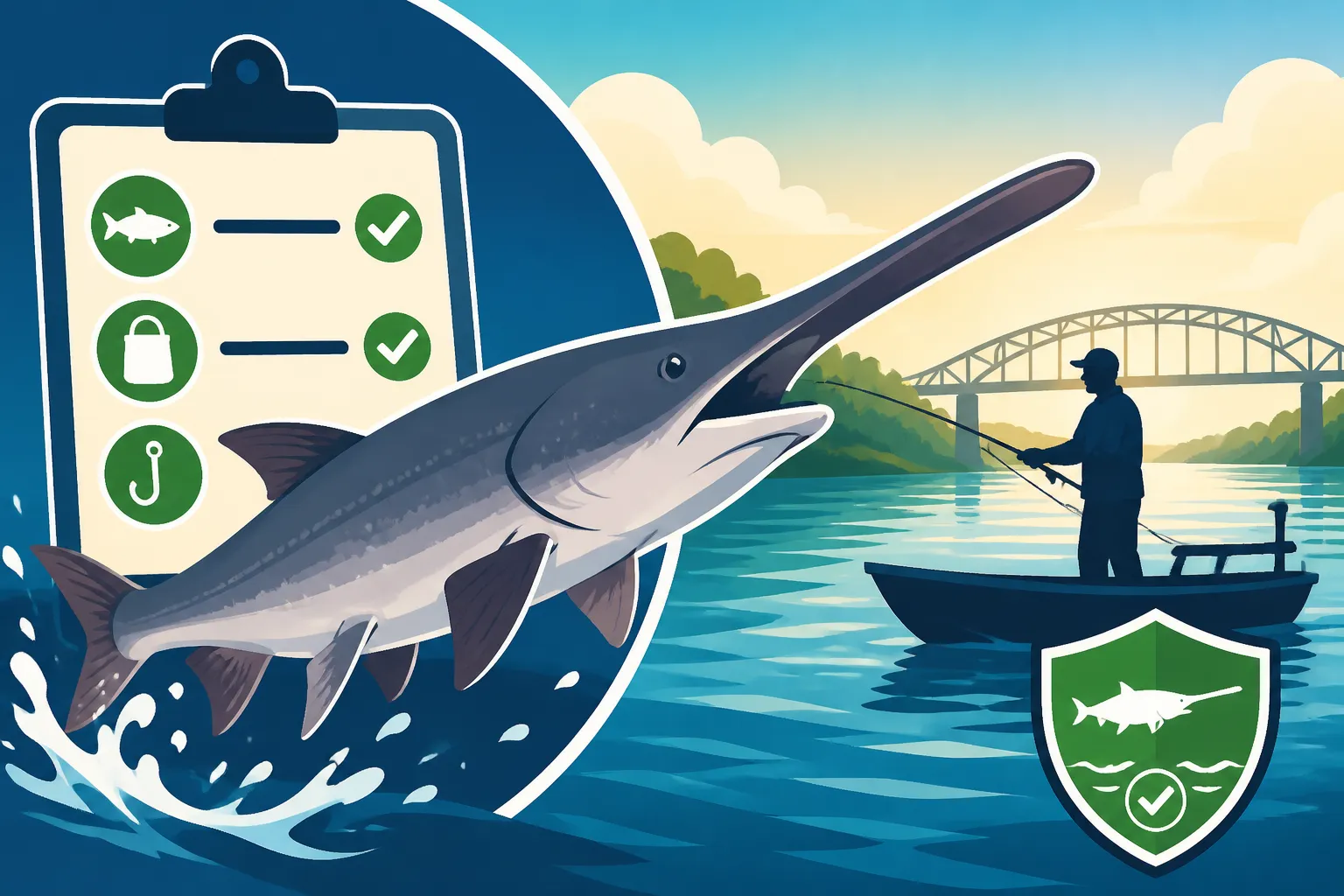
Paddlefish, often affectionately called "spoonbill" due to their distinctive, paddle-like snout, are one of the oldest and most fascinating freshwater fish species in North America. They're filter feeders, cruising the open waters of large rivers and reservoirs, sifting plankton from the water. Unlike many other game fish, they don't bite traditional baits with a hook in their mouth, which is why the methods for catching them are so specific and often misunderstood. Because of their unique life cycle, slow growth, and historical overharvesting, paddlefish populations face significant challenges, leading to very specific and often strict regulations here in Mississippi.
What Makes Paddlefish So Unique?
These aren't your typical sport fish, and that's precisely why they warrant such careful consideration. Paddlefish are cartilaginous fish, like sharks and rays, meaning their skeletons are made of cartilage rather than bone. They can grow to impressive sizes, sometimes exceeding 100 pounds, and live for decades. Their long, flattened snout, or rostrum, is packed with electroreceptors that help them detect zooplankton, their primary food source, even in murky waters. This specialized feeding habit means traditional hook-and-line fishing with bait is ineffective. When you're dealing with a creature this ancient and specialized, it makes sense that the Mississippi Department of Wildlife, Fisheries, and Parks (MDWFP) has implemented particular rules to ensure their survival and our ability to enjoy them responsibly.
Conservation Efforts and Management Challenges
The truth is, paddlefish populations have seen better days across much of their historic range. Habitat loss, dam construction fragmenting their migration routes, and overfishing in the past (especially for their valuable roe, which is prized as caviar) have taken a toll. Here in Mississippi, we’re fortunate to still have paddlefish, primarily in larger river systems like the Mississippi River and its major tributaries, as well as some reservoirs. The MDWFP works tirelessly to monitor these populations, conducting surveys and implementing regulations designed to balance recreational opportunity with species conservation. Their efforts are crucial, and adhering to the rules is our part in helping these incredible fish thrive for future generations. Understanding this context helps us appreciate why the rules exist, rather than just seeing them as arbitrary restrictions.
Specific Regulations for Paddlefish Fishing in Mississippi
When it comes to paddlefish in Mississippi, the keyword is "snagging." This isn't a typical fishing method, and it comes with very clear guidelines. Unlike casting a lure or bait for a bass, snagging involves using large, weighted treble hooks to effectively "snag" the fish from the water column, as they don't typically bite. This method is permitted only during specific times and in specific locations, and straying outside these parameters can lead to serious penalties. It's absolutely crucial to familiarize yourself with these nuances before you even think about heading out. For a broader understanding of all our state's fishing requirements, be sure to check out our comprehensive guide on the Mississippi Fishing Regulations Explained.
Legal Methods and Gear for Snagging
In Mississippi, if you're targeting paddlefish, you're almost certainly going to be snagging. This requires robust gear designed to handle powerful fish and heavy hooks. You'll need a stout rod, a strong reel, and heavy fishing line – often 50-pound test or more. The hooks used for snagging are typically large, unbaited treble hooks, often weighted to help them sink and sweep through the water. While some anglers prefer to use specialized "snagging" setups, many find that heavy-duty catfishing or saltwater gear found at stores like Bass Pro Shops or even online through Amazon works perfectly well for the task. Remember, the intent is to hook the fish externally, not to entice it to bite. You can learn more about general gear considerations in our article on Choosing the Right Rod and Reel for Mississippi Fishing.
The primary legal method involves repeatedly casting and retrieving these weighted treble hooks through areas where paddlefish are known to congregate. It's a physically demanding style of fishing that relies on sweeping the hook through the water in hopes of foul-hooking a passing paddlefish. It's vital that no bait or attractant is attached to the hook, as this would violate the specific definition of snagging for paddlefish.
Season Dates and Creel Limits
Paddlefish regulations often include specific open seasons, which are typically quite short and strategically timed to coincide with periods when paddlefish are less vulnerable, or to manage harvest pressure. These seasons can vary year to year and by specific body of water, so always consult the latest MDWFP regulations before planning your trip. It's not uncommon for paddlefish season to be limited to a few weeks or even just a few days in certain areas.
When a season is open, there will also be strict creel limits, dictating how many paddlefish you can keep per day and how many you can possess. For example, a common regulation might be a daily limit of one paddlefish, with an annual limit of two or three. Size limits may also apply, ensuring that only larger, more mature fish are harvested. These limits are absolutely critical for managing the population, so always measure your catch carefully. If you’re ever unsure about the exact numbers, our article on Mississippi Fishing Season Dates and Limits can provide further context for various species.
Prohibited Activities and Penalties
Because paddlefish are so vulnerable, several activities are strictly prohibited. The most common prohibition is against snagging outside of designated open seasons or areas. Attempting to catch paddlefish by any other means that don't fall under "snagging" (like traditional hook-and-line with bait) is also generally not permitted, as it's ineffective and could lead to accidental harm. Additionally, selling paddlefish roe (caviar) or the meat without a commercial license and adherence to specific commercial regulations is illegal. Recreational anglers are generally prohibited from selling any part of their catch.
Penalties for violating paddlefish regulations can be severe. Depending on the infraction, you could face hefty fines, confiscation of your gear, and even jail time. Conservation officers take these rules very seriously because of the fish's endangered status and economic value. Ignorance of the law is never an excuse, so ensuring you have a current Mississippi Fishing License Guide and understand all rules, including the specific Mississippi Fishing Creel and Size Limits for all species, is paramount. If you're caught fishing for paddlefish illegally, it could even impact your ability to get a fishing license in the future.
Licensing Requirements for Paddlefish Anglers
Even though paddlefish fishing is a specialized pursuit, it still falls under the umbrella of general fishing regulations in Mississippi. This means that, just like any other fishing activity in our state, you'll need the appropriate licenses and permits. There isn't a specific "paddlefish license," but rather, your standard Mississippi freshwater fishing license is required. However, there might be additional state or federal permits if you're on certain waters, or specific restrictions you need to be aware of. Getting your license is typically a straightforward process, whether you do it online, at a local vendor, or through the MDWFP app. Our guide on How to Get a Mississippi Fishing License walks you through the entire process.
General Mississippi Freshwater Fishing License
For most recreational anglers, a basic Mississippi Fishing License is all you'll need to legally fish for paddlefish during an open season. This license grants you the right to fish in the state's public freshwater bodies. If you're a resident, there are various options, from annual licenses to lifetime choices. Non-residents also have options, including annual or shorter-term licenses like the Mississippi 1-Day and 3-Day Fishing Licenses, which might be perfect for a dedicated paddlefish trip. Always carry proof of your license while fishing, whether it's a physical copy or a digital one on your phone.
| License Type | Resident Annual Cost (approx.) | Non-Resident Annual Cost (approx.) | Notes |
|---|---|---|---|
| Freshwater Fishing License | $10 – $17 | $30 – $45 | Required for most public freshwater fishing. |
| Sportsman's License | $30 – $40 | N/A | Covers hunting & fishing, often a better value for locals. |
| 1-Day Freshwater (Non-Res) | N/A | $8 – $10 | Good for short visits. |
| 3-Day Freshwater (Non-Res) | N/A | $15 – $20 | Another option for tourists. |
Note: Prices are approximate and subject to change. Always verify current costs with the MDWFP.
For residents, considering a Mississippi Sportsman's License Explained can often be a great value if you enjoy both hunting and fishing throughout the year. It combines several licenses into one, simplifying your paperwork.
Special Permits or Endorsements (if any)
While a specific "paddlefish permit" isn't generally required beyond your standard fishing license, it's always wise to double-check the current regulations for any special endorsements or reporting requirements. For example, some states have specific tags for paddlefish that must be affixed to the fish immediately upon harvest. While Mississippi does not currently have such a system, regulations can change. Always look for updates on the MDWFP website. Additionally, if you plan to fish on private property, remember to secure permission from the landowner, as your state license doesn't grant access to private waters. However, you generally don't need a license to fish on private ponds in Mississippi if you are the landowner or have permission.
Importance of Upholding License Requirements
Simply put, holding a valid license isn't just a legal formality; it's a direct contribution to conservation. The fees collected from fishing licenses directly fund the MDWFP's efforts to manage fish populations, improve habitat, stock fish, and enforce regulations across the state. This means your license isn't just buying you the right to fish; it's supporting the very resources you love to enjoy. Every paddlefish, bass, or crappie caught responsibly helps maintain our vibrant fishing heritage. Failing to have a valid license, or fishing without understanding your Mississippi Freshwater Fishing Rules, can lead to significant penalties, as detailed in our guide on Mississippi Fishing License Penalties and Fines. It's a small investment for a lifetime of enjoyment and conservation impact.
Responsible Angling and Conservation Practices
Fishing for paddlefish is a unique experience, and with that comes a special responsibility to ensure their continued presence in our waterways. Beyond just adhering to the letter of the law regarding licenses, seasons, and limits, responsible anglers understand the importance of ethical practices and active conservation. This includes minimizing stress on fish, proper handling, and supporting the broader efforts to protect these magnificent creatures. We're all custodians of our natural resources, and every action we take on the water contributes to the bigger picture. When discussing responsible practices, many anglers seek out gear that helps them minimize impact, from specialized release tools to robust measuring devices, often found conveniently on Amazon.
Catch and Release Best Practices
If you're fishing during an open season and happen to snag a paddlefish that doesn't meet the size requirements, or if you simply choose to release your catch, doing so properly is paramount. Paddlefish are hardy, but they are still susceptible to stress, especially after a strenuous fight.
Here are some tips for a successful release:
- Minimize Fight Time: Use heavy tackle to bring the fish in quickly, reducing exhaustion.
- Keep it Wet: Whenever possible, keep the fish in the water, especially when removing the hook. Avoid dragging it onto hot, dry surfaces.
- Gentle Handling: Support the fish horizontally, ideally with one hand under the belly and another near the tail. Avoid holding it vertically by the paddle or jaw, as this can cause internal damage.
- Quick Hook Removal: If the hook is shallow, remove it quickly and carefully with pliers or dehooking tools. If it's deeply embedded, it might be better to cut the line as close to the hook as possible.
- Revive If Necessary: If the fish seems sluggish, hold it gently in the water, facing into the current, until it regains its strength and can swim away on its own.
These practices apply not only to paddlefish but to many other species, especially non-game fish or those with strict regulations. You can find more details about various protected species in our article on Mississippi Non-Game Fish Rules.
Reporting Your Catch
In some states, anglers are required to report paddlefish harvests to wildlife agencies. While Mississippi may not have a mandatory reporting system for paddlefish specifically, contributing information about your catch can still be incredibly valuable. Many anglers participate in voluntary creel surveys or provide information to MDWFP biologists they encounter. Knowing where fish are being caught, their size, and the effort involved helps researchers understand population trends and refine management strategies. Even informal reporting through online fishing forums or dedicated apps can help paint a picture for the broader community and state agencies. This data helps state officials make informed decisions about future seasons and limits, ensuring the long-term health of the fishery.
Supporting Paddlefish Conservation Efforts
Beyond individual actions, actively supporting broader conservation efforts is vital. This can involve:
- Educating Others: Share your knowledge of paddlefish regulations and conservation with fellow anglers.
- Volunteering: Participate in local conservation projects, like river cleanups or habitat restoration.
- Advocacy: Support organizations dedicated to freshwater fisheries conservation.
- Funding: Remember that your Mississippi Fishing License fees directly contribute to these efforts. The more licenses sold, the more funding is available for vital programs. Our article, How Mississippi Fishing License Fees Are Used, provides a great overview of where your money goes. Every little bit helps secure the future of species like the paddlefish, ensuring that generations to come can marvel at these living fossils in Mississippi's waters.
Disclaimer
The information provided in this guide is intended for general informational purposes only and does not constitute legal advice. Fishing regulations in Mississippi are subject to change by the Mississippi Department of Wildlife, Fisheries, and Parks (MDWFP). It is the angler's responsibility to review and comply with all current state and local regulations before engaging in any fishing activities. Always consult the official MDWFP website or their latest regulations booklet for the most accurate and up-to-date information.