Mississippi Fishing License Fine for First Offense
There's nothing quite like the sudden, cold dread that washes over you when a game warden approaches, asks to see your fishing license, and you realize you either don't have one, or the one you thought you had isn't valid. It's a common fear among anglers, and the thought of facing penalties can certainly take the joy out of a peaceful day on the water. This guide is here to walk you through exactly what you can expect if you receive a fine for a first offense of fishing without a license in Mississippi, helping you understand the consequences and, more importantly, how to avoid them.
Understanding Mississippi's Fishing License Requirements
Before we even talk about fines, it's crucial to grasp why fishing licenses exist in the first place and who needs one in Mississippi. Many anglers just see it as another fee, but it's the lifeblood of our state's conservation efforts, funding everything from fish stocking to habitat restoration and enforcement.
Who Needs a License and Who is Exempt?
Generally speaking, if you're 16 years of age or older and planning to cast a line in Mississippi's public waters, you're going to need a fishing license. This applies whether you're dangling a worm from a pier, trolling a vast reservoir, or fly fishing a quiet creek. It's not just about age; it’s about participating in the sport.
However, the Mississippi Department of Wildlife, Fisheries, and Parks (MDWFP) does offer some common-sense exemptions. For instance, children under 16 don't need a license, which is fantastic for getting the next generation hooked on fishing without an extra barrier. If you're a resident landowner, you can usually fish on your own property without a license. There are also specific provisions for residents 65 and older, offering them "Mississippi Senior Fishing License Discounts" or even exemptions. And, keep an eye out for "Free Fishing Days in Mississippi" each year, when everyone, regardless of age or residency, can fish without a license – it’s a great opportunity for newcomers to try it out. But outside of these specific scenarios, assume you need to be covered.
The Different Types of Licenses Available
Mississippi offers a variety of fishing licenses to suit different needs, and picking the right one is your first step to legal angling. For residents, you have options like the annual freshwater or saltwater licenses, or even a combination. If you're just visiting, the "Mississippi Nonresident Fishing License Guide" details options ranging from annual licenses to shorter-term permits like the "Mississippi 1-Day and 3-Day Fishing Licenses," which are perfect for a quick weekend trip.
It's important to differentiate between freshwater and saltwater licenses. You can't use your freshwater license to fish the Gulf Coast, and vice-versa. Many folks, especially those who enjoy both hunting and fishing, opt for the "Mississippi Sportsman's License Explained" because it bundles multiple privileges into one convenient package. Having the correct license for the type of water you're fishing is just as critical as having any license at all. A common mistake is a freshwater angler heading to the coast without realizing they need a specific "Mississippi Saltwater Sportfishing License Guide."
What Constitutes a First Offense for Fishing Without a License?
So, what exactly puts you in the hot seat for a first offense? It's more nuanced than simply not having a piece of paper. Understanding the specifics can help you ensure you’re always compliant.
Defining "Fishing Without a License"
The most obvious scenario is being caught actively fishing without any valid license whatsoever. This could be someone who simply didn't know they needed one (ignorance isn't an excuse, unfortunately), or someone who knowingly chose not to buy one. However, "fishing without a license" also covers situations where you do have a license, but it’s not the right one. This includes:
- Expired License: You might have purchased an annual license last year, but forgot to renew it. An expired license is as good as no license in the eyes of the law. Remember, "When Does a Mississippi Fishing License Expire?" is an important question to ask yourself each year.
- Wrong Type of License: As mentioned, trying to use a freshwater license in saltwater, or vice versa, will land you in trouble. The same goes for a resident using a non-resident license, or a non-resident attempting to use a resident license they aren't eligible for.
- Not Having it on Your Person: Even if you bought a valid license, you are generally required to have proof of it with you while fishing. This can be a physical copy or, increasingly, a digital copy on your phone through the MDWFP app. If you left your wallet at home, or your phone battery died, it could still lead to a citation because you can't produce proof of your license when asked.
- Falsifying Information: Providing incorrect information to obtain a license (e.g., claiming to be a resident when you're not) is a serious offense that goes beyond just a missing license and can lead to much harsher penalties.
It’s always a good idea to ensure your "Mississippi Fishing License Guide" information is up-to-date and easily accessible.
Encountering a Game Warden: What to Expect
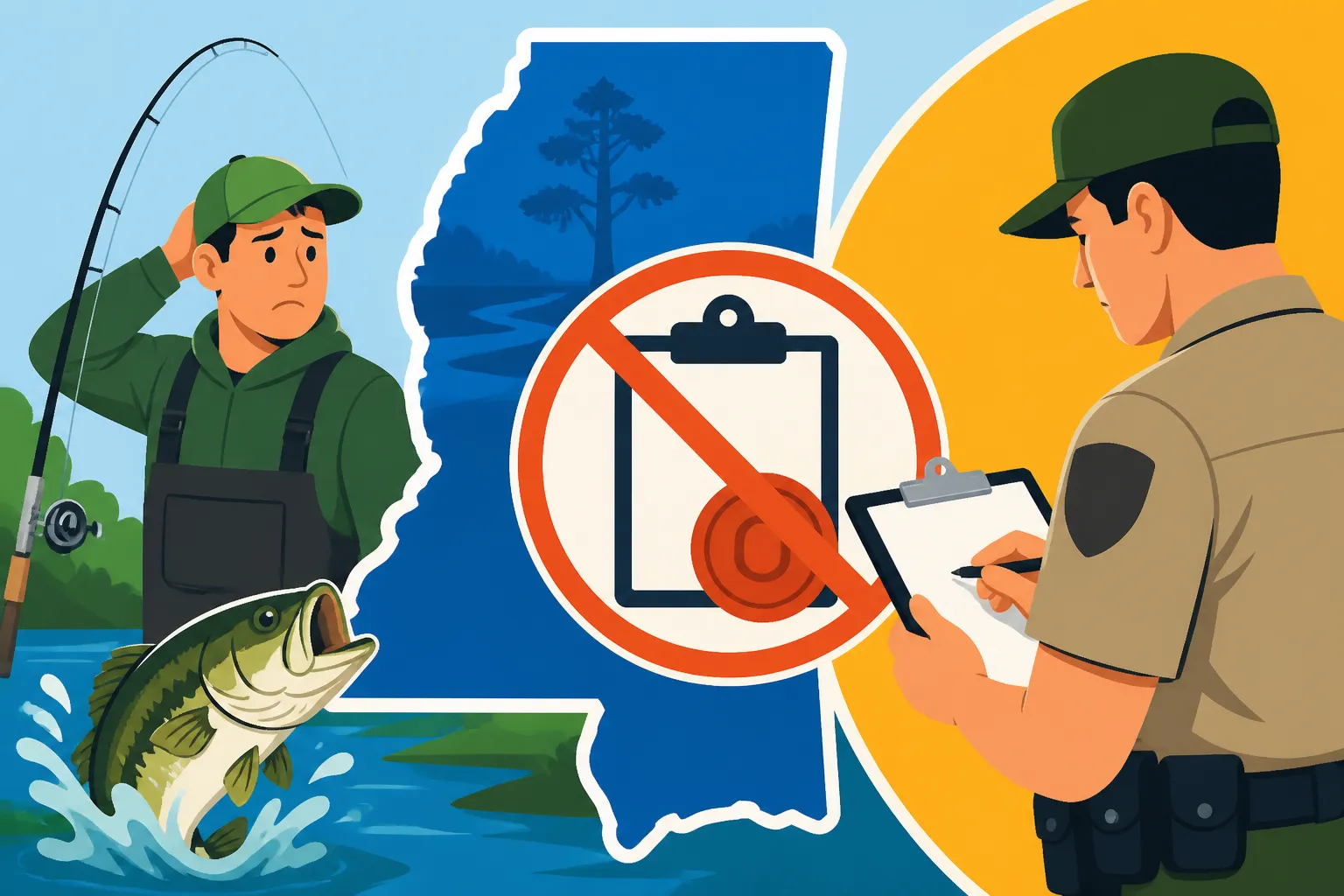
A game warden, or conservation officer, is a law enforcement officer specifically tasked with enforcing wildlife and fishing regulations. It’s their job to ensure everyone is playing by the rules, which ultimately protects our natural resources for everyone. When a warden approaches you on the water or at a boat ramp, they'll typically identify themselves and politely ask to see your fishing license and a form of identification.
The key here is to be cooperative and respectful. These officers are professional and are just doing their job. They're not out to ruin your day, but to ensure compliance. They might also ask questions about your catch, your fishing methods, or where you've been fishing. If you can't produce a valid, current, and appropriate license, they will explain the situation and likely issue you a citation. This isn't a casual warning; it's a formal legal document. While some wardens might exercise discretion in minor technicalities, a clear case of fishing without a proper license will almost certainly result in a ticket. Understanding "What Happens If You Fish Without a License in Mississippi?" is about understanding this initial interaction and its serious implications.
The Fines and Penalties for a First Offense
So, you've been caught, you've been issued a citation – now what? The consequences for fishing without a license in Mississippi, even for a first offense, can be surprisingly significant, going beyond just a simple fine.
Typical Monetary Fines
For a first offense of fishing without a required license in Mississippi, you're looking at a misdemeanor charge. This isn't just a slap on the wrist. While the exact fine can vary depending on the county, the specific judge, and even the circumstances (e.g., if you were otherwise cooperative), typical monetary fines can range anywhere from $50 to $500. On top of that, you'll almost certainly incur court costs, which can easily add another $100-$200 or more. So, even on the lower end, you could be facing a bill of $150-$200, which is substantially more than the cost of an annual fishing license.
Consider this: an annual resident freshwater fishing license might cost around $10-$15. If you decide to skip that and get caught, you could be out hundreds of dollars. It just doesn't make financial sense. The goal is not just to collect money, but to deter illegal activity and fund the very resources you're enjoying. Ignoring the citation or failing to pay the fine by the due date will only lead to further legal trouble, including potential warrants or even driver's license suspension.
Additional Consequences Beyond the Fine
Beyond the immediate financial hit, there can be other, often overlooked, consequences for a first offense:
- Confiscation of Gear: In some cases, especially if there are other violations involved (like exceeding creel limits or using illegal methods), a game warden has the authority to confiscate your fishing gear. This could mean your favorite rod and reel, or even more valuable equipment. While less common for a simple first-time license infraction, it's a possibility, particularly if the officer suspects deliberate evasion.
- Loss of Fishing Privileges: Receiving a citation for fishing without a license can lead to a temporary suspension of your fishing privileges. This might mean you're prohibited from purchasing any Mississippi fishing licenses for a certain period, often up to a year. Imagine missing an entire fishing season because you tried to save a few bucks on a license!
- Court Appearance: A citation isn't always something you can just mail a check for. You might be required to appear in court, which means taking time off work, traveling to the courthouse, and potentially speaking before a judge. This adds a layer of stress and inconvenience that vastly outweighs the ease of purchasing a license beforehand.
- Record of Offense: While a misdemeanor for a first offense of fishing without a license isn't usually a severe criminal record, it does go into the MDWFP system. This means if you were to get caught again, it wouldn't be a "first offense" anymore, and the penalties would escalate significantly.
In essence, the system is designed to make it far more inconvenient and expensive to fish illegally than to simply comply with the regulations.
How to Rectify the Situation if You Receive a Citation
If you do find yourself with a fishing citation in hand, don't panic, but do take it seriously. Here’s a general approach:
- Read the Citation Carefully: Understand the specific charge, the due date for payment or court appearance, and contact information.
- Pay the Fine Promptly: If you admit to the offense and don't wish to contest it, the easiest path is often to pay the fine and court costs by the specified deadline. This avoids further legal complications.
- Obtain the Correct License: Immediately after receiving a citation, go and purchase the appropriate fishing license. Not only does this show good faith, but it's essential if you plan to fish legally in the future. You can usually get your "Mississippi Fishing License Online Renewal" done quickly or visit a local vendor.
- Consider Legal Advice: If you believe you were cited in error, or if the situation is particularly complex (e.g., multiple charges, gear confiscation), it might be wise to consult with an attorney who specializes in wildlife law. They can advise you on whether contesting the ticket in court is a viable option. However, for a straightforward first offense of missing a license, paying the fine is often the most expedient solution.
Preventing a Future Fine: Always Be Prepared
The best way to deal with a fine for fishing without a license is, quite simply, to avoid it altogether. It's much easier, cheaper, and less stressful to be prepared.
Where and How to Purchase a License
Getting your fishing license in Mississippi is incredibly convenient these days, so there's really no excuse to be without one.
- Online: The MDWFP website is the primary hub. You can quickly and easily purchase your license from the comfort of your home. It’s efficient, and you can often print a temporary copy or save a digital version to your phone instantly. Learning "How to Buy a Mississippi Fishing License Online" is a crucial skill for any modern angler.
- Authorized Vendors: Many local sporting goods stores, bait shops, and even large retailers like Walmart or "Mississippi Fishing License Sold at Bass Pro Shops" are authorized to sell licenses. This is perfect for those last-minute purchases on your way to the lake.
- MDWFP Offices: You can also purchase licenses directly from MDWFP regional offices during business hours.
When purchasing, always double-check the type of license (freshwater, saltwater, combination, resident, non-resident) and the duration (annual, 3-day, etc.) to ensure it aligns with your fishing plans. You can even find accessories like waterproof license holders on Amazon to keep your physical copy safe.
Essential Checks Before You Cast a Line
Make it a habit to perform a quick license check before every fishing trip:
- Expiration Date: Always verify that your license hasn't expired. This is especially important for annual licenses that often expire on a specific date each year, not necessarily 12 months from your purchase date. A quick glance at "How Long Does a Mississippi Fishing License Last?" can prevent an unpleasant surprise.
- Water Type: If you're planning a trip to the Mississippi Gulf Coast, make absolutely sure you have a saltwater license. Conversely, if you're hitting Ross Barnett Reservoir, ensure you're covered for freshwater.
- Physical or Digital Proof: Have your license physically with you, or ensure you have a saved digital copy on your phone and that your phone has enough battery life. A dead phone isn't an excuse.
Staying Informed on Regulations
Beyond just the license, it’s vital to stay current with all "Mississippi Fishing Regulations Explained." Regulations can change, and specific rules often apply to certain bodies of water or species.
- MDWFP Website: The MDWFP website is your best friend for up-to-date information. They publish annual digests and often have specific advisories for particular lakes or fishing seasons.
- Species-Specific Rules: Are you targeting crappie on Grenada Lake? There might be specific "Mississippi Crappie Regulations by Lake" that differ from statewide limits. The same applies to bass, catfish, and saltwater species like redfish and speckled trout. Knowing "Mississippi Fishing Creel and Size Limits" is just as important as having your license.
- Border Waters: If you fish near state lines, such as on the Mississippi River or in shared Gulf Coast waters, be aware of "Mississippi Border Water Fishing Rules" and potential agreements with neighboring states. Don't assume your Mississippi license covers you everywhere.
By taking these proactive steps, you can enjoy your fishing trips without the nagging worry of a potential fine, contributing positively to Mississippi's beautiful fisheries.
License vs. Fine: A Stark Reality Check
Let's put this into perspective. A fishing license is an investment in your hobby and in the state's natural resources. A fine is a penalty for non-compliance. The difference in cost is significant.
| Item | Estimated Cost (Mississippi Resident) | Notes |
|---|---|---|
| Annual Freshwater Fishing License | $12.00 | As of current MDWFP rates. |
| Annual Saltwater Fishing License | $12.00 | As of current MDWFP rates. |
| Annual All-Game Hunting/Fishing License (Sportsman's) | $45.00 | Combines various privileges. |
| First Offense Fine for Fishing Without License | $50 – $500 | Plus additional court costs, often $100-$200+. |
| Total Potential Out-of-Pocket for First Offense | $150 – $700+ | Does not include lost time, potential gear confiscation, or lost privileges. |
As you can see, the cost of a license is a minuscule fraction of what you could end up paying for a first offense. It's a clear illustration that prevention is not only easier but vastly more economical.
Disclaimer
The information provided in this guide is intended for general informational purposes only and does not constitute legal advice. Fishing regulations and associated penalties in Mississippi can change, and interpretations may vary. Always refer to the official Mississippi Department of Wildlife, Fisheries, and Parks (MDWFP) website or contact them directly for the most current and accurate regulations and licensing requirements. If you receive a citation, seeking legal counsel may be advisable depending on your specific circumstances.